by Erin Long | Aug 21, 2019 | Uncategorized
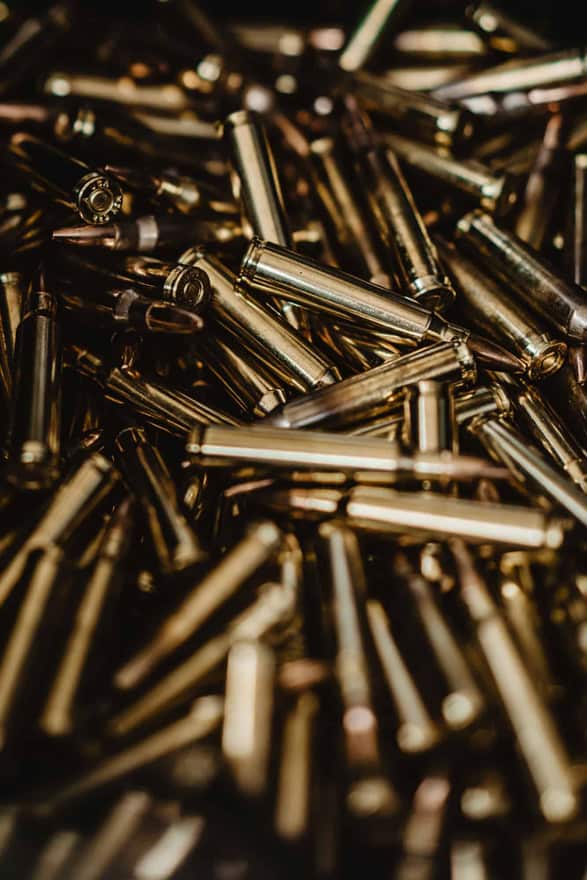
Indoor shooting ranges are popular across the country. Many law enforcement professionals and private gun owners use these ranges to practice their target shooting. However, in an enclosed space like this, lead dust exposure can become a dangerous problem.
OSHA has cited gun ranges in the past for failure to control lead dust. Specifically, excessive lead dust can accumulate on surfaces and in the air. This can quickly exceed the permissible exposure limit. The OSHA limits for exposure to lead are very low because it is so toxic.
 Lead Dust Exposure at Indoor Gun Ranges
In 2019 OSHA cited an indoor shooting range for exposure of lead dust. Because they often don’t have proper ventilation, lead dust levels in indoor gun ranges can be very high. Consequently, the penalties for the 2019 case in Texas totaled over $200,000. One of the major issues the company faced was using brooms to sweep up dust and lead debris. Another issue is the company’s failure to address damaged personal protective equipment or do medical testing.
Lead dust exposure at indoor gun ranges can be higher than many people realize. A review of several scientific studies found that people who spend time in indoor gun ranges have blood lead levels up to 40 times higher than the average person (Lead Exposure at Firing Ranges – A Review).
This elevated exposure even applied to people who only attended one shooting event. It took days to weeks for lead levels to return to normal after just one event. People who regularly use an indoor shooting range, with regular exposure, may have unsafe lead levels.
Another issue noted by OSHA and the same scientific studies found that a major risk is lead dust was accumulating around the facility. People using or working in an indoor gun range can pick up lead dust on their clothes or bodies. This dust then goes home with them and can affect others with lead exposure.
Lead Dust Control in Gun Ranges
Gun ranges usually have a strong focus on safety and proper gun handling. However, they need a dust control system to prevent shooters and workers from lead dust exposure. The OSHA-cited facility in Texas attempted to clean up their dust and debris with brooms. This does not remove the dust. Instead, it pushes it into the air, where it settles onto surfaces.
The employees doing the sweeping are at high risk, but anyone inside the gun range will experience exposure. Even without stirring up dust on the floor, shooting produces airborne lead dust around the shooting area. Even if employees take precautions during cleaning the area, shooters wear no respiratory protection. This means that only a dust collection system can control lead dust exposure.
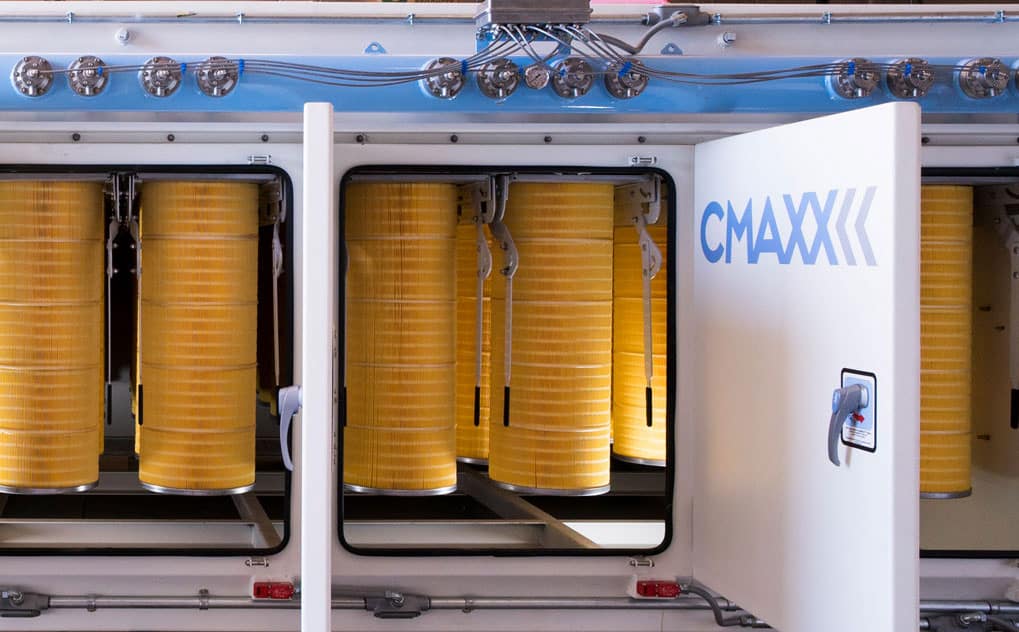
Simple ventilation will not solve the problem. The EPA regulates emissions of toxic materials like lead. The best solution is an industrial dust collection system. You can use a cartridge dust collector as an ambient system. This type of system cleans lead dust out of all the air in the facility on a continuous basis.
Rather than venting lead dust into the environment, a dust collector will capture the dust. Cartridge dust collector filters are highly efficient for small particles. If needed, after-filters can be added to make sure all the lead dust is captured.
Advantages of a Dust Collector for Shooting Ranges
A dust collection system will help a shooting range control lead dust exposure in several ways.
- Remove lead dust from the air around the shooters, keeping their exposure under control during shooting.
- Continuous dust removal prevents lead dust from accumulating, limiting the exposure that happens when workers sweep or clean up lead dust.
- The efficient filtration prevents the outside release of lead dust and keeps it from getting back into the building.
- Cartridge dust collectors are easy to maintain. Pulses of compressed air clean the filters, unlike HVAC filters in a regular ventilation system.
- Safely contain lead dust. It can be disposed of according to local regulations. Material contaminated with lead is less likely to end up in the environment.
A properly designed dust collection system will clear the gun range of most lead dust. This lowers exposure and makes cleanup easier and safer. Lead exposure in gun ranges could cause health problems. Protecting workers and shooters should be a priority. A CMAXX dust collection system offers an efficient way to decrease lead exposure and remove lead dust.
Read more
by Erin Long | Jul 24, 2019 | Uncategorized
Companies hold responsibility for their air pollution control and management. The EPA lists its “Big Six” air pollutants. Above all, the two of these that concern our customers the most are lead and other particulate matter. This can include many kinds of industrial air pollution. The EPA certainly enforces limitations on these.
In addition to the EPA, many companies are hit with negative publicity when news sources call them out as major polluters. For example, these companies in Pittsburgh have been accused of failing to develop or maintain air pollution controls. To make things worse, the report lists the proximity of the companies to local schools. Thus, it highlights that they are endangering children.
No company wants to be in violation of the EPA’s Air Pollution Control Act. You also don’t want the bad name and harmful attention that comes with being named as a major pollution source. So how do we control air pollution? Let’s focus on dust emissions.
Dust Collection for Control of Air Pollution
A dust collection system can help manage air pollution, especially the release of lead and other particulates. The EPA recognizes two types of particles: PM10 and PM2.5.
Particulates rated as PM10 measure around 10 microns or smaller. Meanwhile, PM2.5 particles are the most dangerous. They are 2.5 microns or smaller. The lungs will deeply inhale these. Many industries produce particles this small. So they all need strategies to curb industrial emissions.
Welding and plasma cutting are common processes. For most metalworking applications, a dust collector with DeltaMAXX NanoFiber filters will provide control for air pollution. This is important whether you circulate the air back into the facility or release it outside.
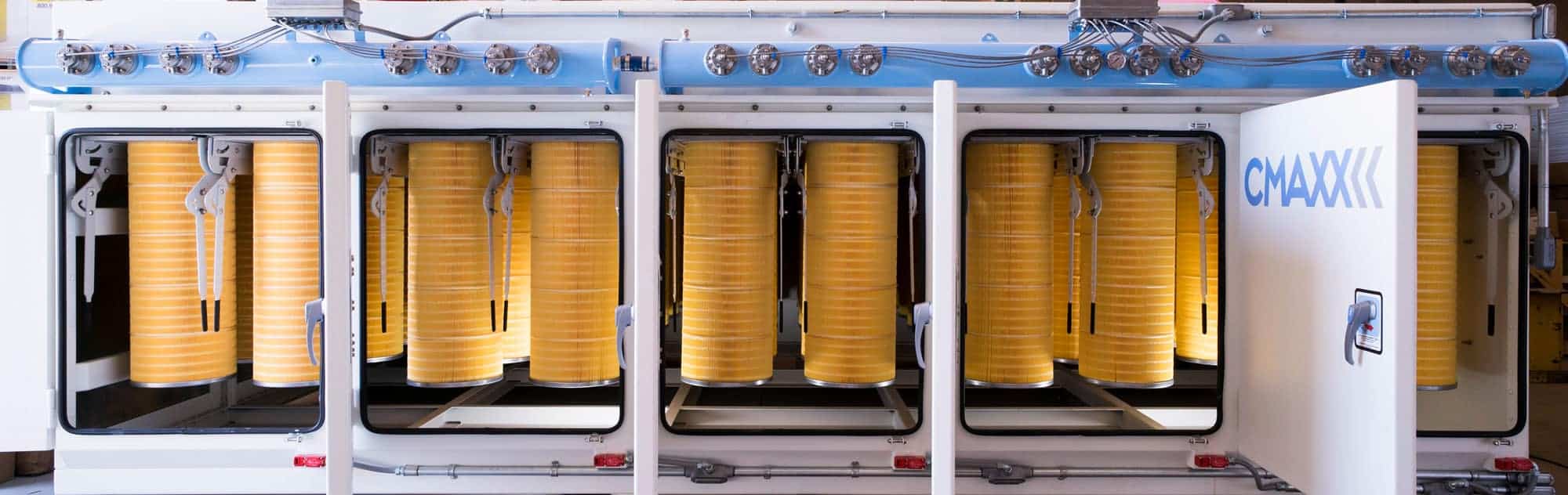
Nanofiber material is efficient down to 0.3 microns. This much smaller than the EPA’s 2.5 micron size range. If your application is producing dust that isn’t especially toxic, this type of air filtration should be sufficient.
Some materials, however, are more toxic and might need an additional level of filtering. For these applications, add HEPA filters after the main filters to increase efficiency. HEPA filters can be up to 99.99% efficient. “Clean rooms” that must be completely dust and germ-free often use them.
Materials that create a serious health hazard include hexavalent chromium. This dangerous chemical is produced from working on stainless steel or chrome-plated metal. Lead, often the product of battery manufacturing is a major hazard. Beryllium, the subject of new OSHA regulations, causes fatal lung disease.
Occupational and Environmental Agencies
Most companies are aware of OSHA and EPA regulations. They are regulatory agencies and can both issue fines for noncompliance. However, they regulate different things. So you can be compliant with one and not the other. (Learn more in our blog post: Is There an OSHA Compliant Dust Collector?)
OSHA regulates occupational hazards or ones that happen during work. They would be concerned with air pollution management and control in the workplace. This might be silica exposure on a construction site or metal fumes from a cutting table.
The EPA regulates environmental hazards. These are exposures that could harm people and the environment. Not all of them come from industrial air pollution. Many states, especially California and several states in New England, have adopted standards much stricter than the EPA’s rules. In California, the San Joaquin Valley Air Pollution Control District, Placer County Air Pollution Control District, San Diego Air Pollution Control District, and Ventura County Air Pollution Control District outline their tough standards on their websites.
In 2012, the Association of Air Pollution Control Agencies was formed. Its purpose is to create a technical forum where ideas, information, and best practices could be shared among state air quality agencies. You can visit this website for more information about the EPA in your own state.
OSHA measures limits for indoor industrial air pollution as a time-weighted exposure. This means that the limit considers the exposure an employee has over a specific time. The EPA usually measures air pollution in parts per million. In other words, the number of dangerous particles in the air.
Let’s Do Our Part
We need to clean up dirty air by reducing air pollution from many places. Industries are one major source of air pollution, but power plants, large forest fires, and heavy car traffic are other important sources.
Clean air inside and outside your facility isn’t just a way to avoid fines. It’s every company’s responsibility to its workers, their neighbors, and the world around us.
Read more about Imperial System’s efforts towards clean air.
Read more

by Erin Long | Jul 19, 2019 | Uncategorized
Take a look at Dusty Jobs 9! We talk about the GEAPS show in New Orleans earlier this year as well as discussing safety in grain processing facilities. Charlie is back for an extended version of ‘Good Luck With That’, and we interview our plant manager, Joe Hoffman. If you would like a printed hard copy of this issue of Dusty Jobs, contact your Imperial Systems, Inc. representative.
Click the cover to download and print the newsletter.





A Letter from the Production Control Manager
 I started working at Imperial Systems in February 2015 as an Accounting Clerk. As the company grew over the next few years, I started taking on more responsibilities. I started helping with coordinating production, keeping information flowing between accounting and the shop. I worked with them to set schedules for shipping, hours planned for each job, and exactly where the job was with current hours.
As of last year, I moved into a new role as Production Control Manager. This takes the production control responsibilities I already had and kicks them up a notch. I’m still transitioning into this role, since I’ve been helping with accounting while someone was out on leave. Now, I’m looking forward to diving in and getting a good grasp on all the new responsibilities in front of me.
With the company growing, I’m going to be responsible for handling our shop schedule and keeping production on track. I’ll help solve problems and coordinate any changes that need to be made. I’ll keep track of the shop’s capacity and monitor when we’re over or under capacity. There’s a lot to manage with so many projects being scheduled, in production, and shipping out.
As a young girl, I would go to take-your-daughter-to-work events with my dad, and I always finished the day with the feeling that his company and co-workers were like part of his family. The company made sure to take care of their employees and truly cared about the employees’ success.
Since then, I have always wanted to find that in an employer and until Imperial Systems, I had not found my home in the business world. Shortly after starting, though, and with each additional day I work here, I realize just how much Jeremiah cares about this company as well as everyone who works here. Each day I am excited to wake up and come to work to help this team reach its goals. I love that I am challenged each day to come up with something that will better myself, which will directly lead to our company’s success.
I am just so thankful every day to be able to say I found my “work” home and gained 50-some “family” members, and I do not know if I would have been able to find this working anywhere else.
– Kaylee Smead, Production Control Manager
Read more

by Erin Long | Jul 17, 2019 | Uncategorized
Hammer mills process grain and other products in agriculture processes. Industrial hammer mill material handling requires dust collection to prevent combustible dust fires. Handling and transporting agriculture process materials are covered under NFPA 61 and OSHA 1910.272. Many other industries use hammer mills, which produce dust that may be combustible.

Hazards in Material Handling Equipment
Grain dust becomes flammable when it is airborne. Places in the process where grain dust becomes airborne include:
- hammer mill crushers
- conveyor belts and transfer points
- bucket elevator conveyors
- mixers
- loading and unloading points
- dryers
- spouts and hoppers
Material handling systems produce dust, and they also produce opportunities for ignition. A hammer mill grinder is one element of the agricultural process that produces large amounts of dust. A bucket elevator is another one, partly because the material moves around. It can also cause ignition because the bearings can overheat.
In addition to hammer mill material handling, dust can accumulate in other grain processes in agriculture. Some agricultural dust can be very combustible. Managing risk means removing elements of the so-called explosion pentagon. This includes oxygen, ignition source, fuel, containment, and dispersion. Oxygen will always be present, and the dust acts as a fuel. In various parts of the process, the material may be inside a closed space (containment). Therefore, the parts of the explosion pentagon that can be controlled are ignition sources and dispersion. This is true for hammer mill material handling and other process areas.
 Controlling ignition sources includes following all electrical safety standards and watching all equipment, like bucket conveyors, for overheating bearings. Removing all ignition sources is almost impossible. However, getting rid of as many as possible reduces the risk.
Keeping dust from becoming airborne (dispersion) keeps a deflagration from starting. Once airborne dust ignites, the flame must not reach other areas. This is especially true for areas that could cause injury to people. Dust collection systems can prevent dispersion and the spread of a deflagration.
Dust Collection for Hammer Mill Material Handling
Depending on the material, hammer mills can produce a large amount of dust. Many other components of material handling systems, like bucket elevators, also produce dust. NFPA and OSHA standards require control of this dust. Dust must not build upon surfaces or become airborne. A well-designed dust collection system will prevent these.
Some agricultural processes will use a central baghouse with capture hoods located at various dust generating spots, including at the discharge of a hammer mill. This technique for hammer mill material handling can be very effective, especially if one central baghouse can handle the capture points.
Spot filters can be a very effective solution for larger facilities, or for ones where a central baghouse might be too far away. Spot filters can be located at many kinds of capture points for material handling equipment. These include bucket elevators, conveyors, mixers, hammer mills, and loading/unloading points. Cartridge collectors, which are small and compact, can be sized to fit at any of these points. Because the pulse cleaning of the filters is very efficient, filters can last a long time.
Many agricultural process facilities use a combination of both types of dust collection, with baghouses or large cartridge collectors in a central area and spot filters on more remote capture points. Both baghouses and cartridge collectors can work well for hammer mill material handling in agriculture. Depending on how fine the material powder is, a spot filter cartridge collector can be the best solution. This will keep fugitive dust from escaping at a capture point.
Learn more about our Grain Dust Collection Systems.
Read more
by Erin Long | Jul 10, 2019 | Uncategorized
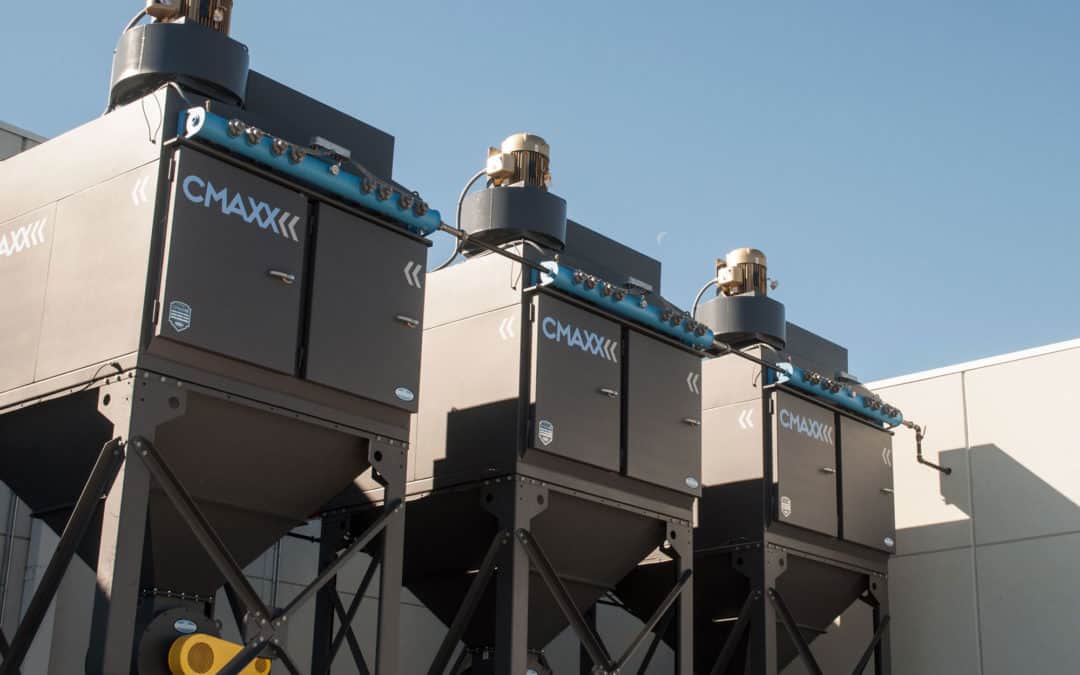
Wondering if that aging thing behind the building needs a little work? One company put money into a dust collector upgrade. As a result, it ended up saving them from serious property damage and expensive repairs.
The dust explosion index dustsciencesafety.com issued an incident report. It chronicles that a company, which makes specialty automotive parts, suffered a metal dust fire in May 2018. Metal dust fires can be dangerous and explosive. So major damage could have been done to the building and people in it.
Luckily, the company had recently invested in upgrading its dust collection system, which includes several collectors. Thanks to this investment, the fire never escaped the dust collector. Firefighters arriving on the scene noted that because the fire was limited to the dust collector, it was easy to manage. Without the dust collector upgrade, the fire might have spread through the building.
Combustible Dust Hazards
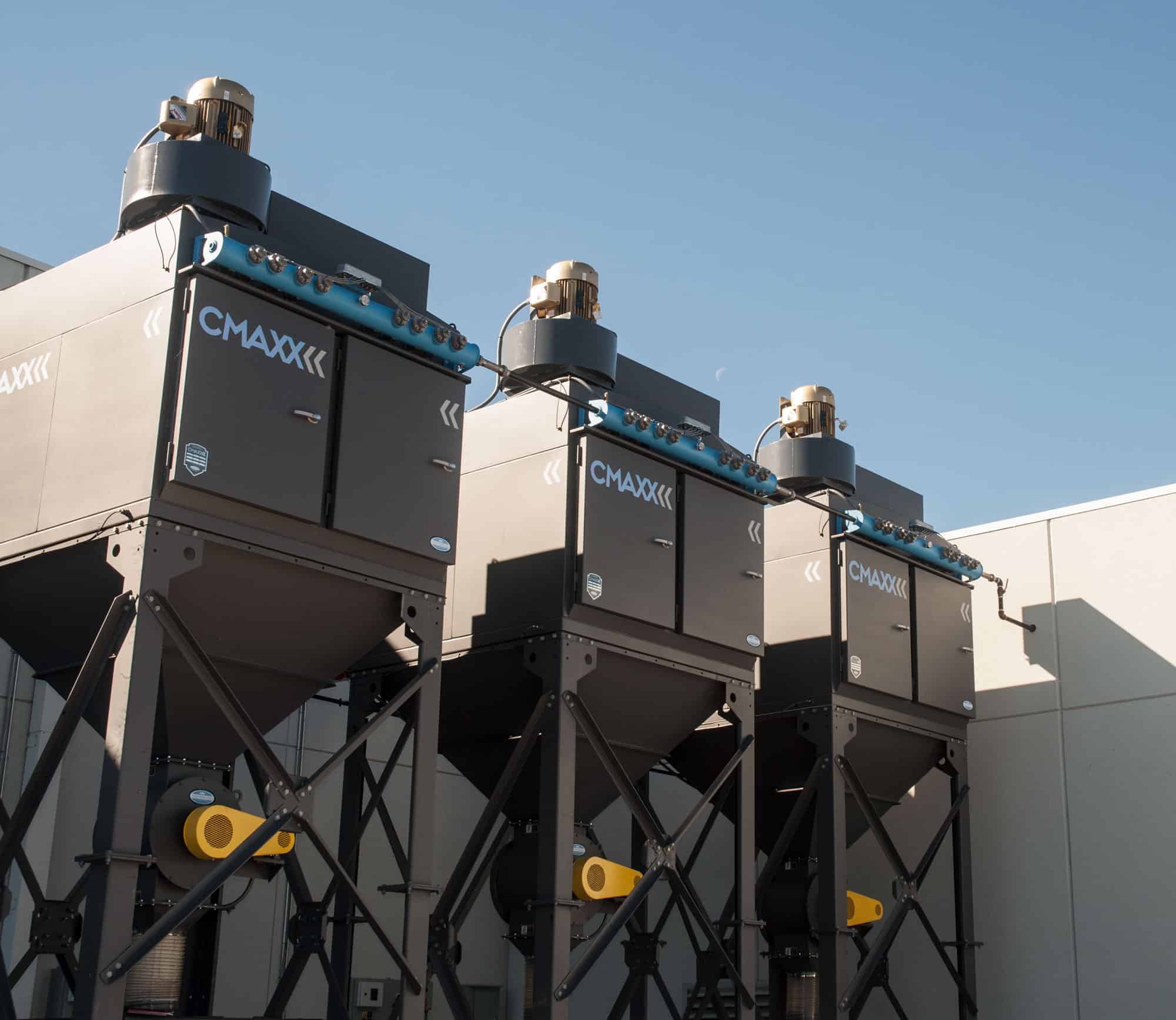 What kind of dust collector upgrade might save your building or employees from serious harm? Some old dust collectors may not have the kind of fire and explosion prevention devices required by NFPA standards on newer equipment. In some cases, it may be a poor system design. In other cases, the company or the system designers may not have known the dust could be combustible.
NFPA 652 requires that all facilities that handle combustible dust conduct a dust hazard analysis. It must include inspecting for any risk factors and figuring out how to fix them. The dust hazard analysis may reveal that the procedures for controlling combustible dust aren’t good enough. In that case, a dust collector upgrade or other improvements will be needed.
Fire and Explosion Prevention for Dust Collectors
One method of controlling fire or explosion is to prevent sparks or flames from getting into the collector at all. Install a spark arrestor, which is a passive protection device, in the ductwork before the dust collector. It will stop most, but not all, sparks. Another option is an active system with a spark detector. Once a spark or flame is detected, a chemical isolation system or abort gate triggers to isolate or divert it.
Other passive methods of fire and explosion control include explosion isolation valves. An advancing pressure wave will close the valve and isolate the explosion from moving forward. Probably the simplest tool, explosion venting, continues to be effective in releasing pressure from the collector. Also, consider a chemical suppression system inside the dust collector. It will suppress a fire that has reached the collector or started inside it.
If a dust collector is located inside a building, there must be a way to vent an explosion safely. Use a flameless explosion vent if an explosion can’t be vented outdoors. These are expensive and can allow dust to escape, so they shouldn’t be used with highly toxic materials. If there is no choice but to locate a dust collector inside, this may be the only feasible option.
Is a Dust Collector Upgrade Worth the Money?
Newer methods of fire and explosion control such as chemical isolation and suppression are dust collector upgrade options. Inspect old systems for any safety features that aren’t operating properly or don’t meet new standards. For example, a dust collector might not have enough explosion venting to meet current safety standards. Further, the filter media in the collector might be flammable instead of flame retardant material.
For the company mentioned at the beginning of this story, the decision to upgrade was very beneficial. Improving fire and explosion protection of their multiple dust collectors saved them an enormous amount of money. Firefighters noted that safety features kept the fire isolated inside the dust collector where it started. Had the fire spread back through the ductwork, large sections of the building could have been damaged.
Consider adding some new fire protection features, or upgrading an existing dust collector. Either costs much less than repairing fire-damaged buildings. As they often say, if you think safety is expensive, try an accident.
Read more
by Erin Long | Jun 19, 2019 | Uncategorized
The history of dust collection begins with a problem that needed to be solved.
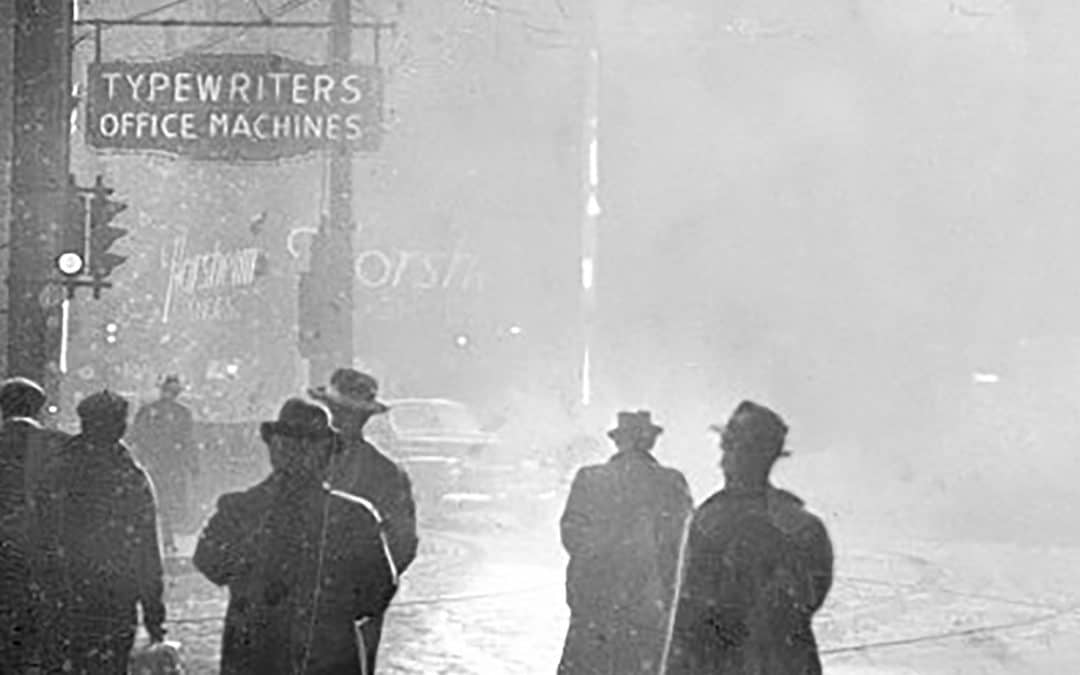
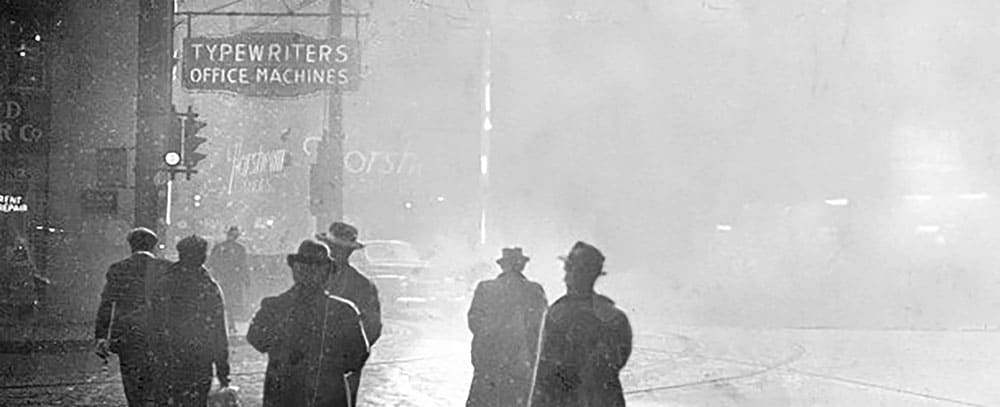
It was the early 1800’s in Pittsburgh, PA. Sulfur and other fumes from burning bituminous coal covered the city with some of the worst smoke pollution in the country. Pittsburghers were used to constantly cleaning the black dust off everything, even inside their houses. By 1880, millions of tons of coal were being burned in the city each year, giving it some of the worst air quality in the United States.
People who grew up in the city in the early 1900’s report cleaning black dust and grime off their shoes and clothes, gray curtains that could never be kept white, and buildings and statues stained black. Workers from the steel mills came home covered with black coal dust. In the winter, gray snow fell over the city. Bituminous coal was plentiful in the area but is the dirtiest form of coal when burned.
Regulations were passed in Pittsburgh and other industrial cities, but without a suitable replacement, the factories and mills continued burning coal. Companies made some attempts to filter coal dust out of the air, but the amount of dust overwhelmed basic cloth filters. Simple cyclones, where air movement inside the chamber causes particles to drop out of the air flow, only captured large dust and didn’t restrict the flow of fine dust and smoke. Tubes or sheets of fabric became immediately coated with dust.
NEW DUST COLLECTION OPTIONS
It wasn’t until the 1920’s that inventors began to patent filtration systems to remove dust more effectively. These early dust collectors needed to be able to clean their filters to keep them from being overwhelmed with dust. In the early history of dust collectors, this cleaning worked by hanging filters from a frame that would periodically shake them to get rid of excess dust.
Shaker bags continued to be used for many years, but lack of efficiency and constant maintenance on the moving parts limited their usefulness. The biggest producers of dust included industries like foundries and steel mills, dealing with thick, heavy dust that shaker bag collectors struggled to handle.
In the mid-1900’s, environmental regulations became more common and major polluters came under pressure to clean up the massive amounts of dust they generated. Shaker bags and basic fabric filters could not handle the task. Pittsburgh, famous for its steel mills and still burning massive amounts of dirty bituminous coal from nearby mines, badly needed a new method of dust collection.
 Reverse air baghouses were invented around this time, shortly followed by pulse jet baghouses. These provided tremendous improvements in dust collection by setting up an arrangement of filtration bags that could be cleaned by fans or compressed air pulses instead of shaking. These methods kept the bags cleaner and increased the efficiency of the filters. These types of baghouses came into regular use in the 1950’s and 1960’s, but there were still not very many requirements for companies to use them.
The invention of baghouses brought a new era in the history of dust collection. Both types of baghouses are still in use today, and they continue to work well. They are especially useful in applications with high temperatures and high humidity. Bags are now made of a wide variety of materials specialized for different needs. They are still workhorses of the dust collection industry.
A NEW ERA OF REGULATIONS
In the 1970’s and 1980’s, increases in regulations required companies to work harder to clean up dust, fume, and chemical emissions. Cartridge dust collectors provided a smaller profile with highly efficient pleated filters that offered a larger surface area for filtration. These collectors took advantage of a pulse jet cleaning system like the one used on some baghouses. Cartridge collectors became popular for their smaller size and the ease of changing filters compared to baghouses. They are used on many dust applications, especially those producing very fine dust and fumes.
With increasing regulations on hazardous material emissions, filters like HEPA (high efficiency particulate arrestor) became more common. These filters are extremely efficient but will also become quickly overloaded in any heavy use setting. Common uses include hospital, pharmaceutical, and food processing clean rooms. In the history of dust collection in industry, they have become useful as after-filters for applications with very toxic materials like lead dust, capturing anything that gets past the regular filters.
Industries that need to control chemical air pollution may use options such as wet scrubbers or electrostatic precipitators. Wet scrubbers use water or other liquids to stick to chemicals in the air flow and cause them to settle out of the air. Wet scrubbers are much higher maintenance than dry dust collection systems, but they may be necessary for chemical contaminants. Electrostatic precipitators use high voltage direct current to give particles an electric charge, causing them to stick to electrodes in the collector.
These high-tech entries into the history of dust collection are useful for specific applications. Dry dust collectors like cartridges and baghouses will not usually work for mist or harsh chemicals. Wet scrubbers are used when the air contains either a gas or gas mixed with particles. Electrostatic precipitators are often used in coal and oil power plants and in refineries. These types of systems work best when the electrical conductivity and resistance of the particles stays consistent.

FROM THE HISTORY OF DUST COLLECTION TO THE FUTURE
In cities like Pittsburgh with a long history of dust collection issues, every possible type of air pollution control has been employed to make the city clean and healthy. Pittsburgh has traded most of its coal-burning steel manufacturing for newer, cleaner industries. It has been rated as one of the country’s most livable cities by many publications. Technology, research, and healthcare have become dominant industries, but the legacy of the city’s heavy industrial days remains with plenty of factories still in operation. Behind or off to the side of many of these factories, you’ll see a dust collector at work, helping Pittsburgh keep moving away from the grime and dust of its history.
Companies that manufacture dust collection systems are concerned with air quality. They are also concerned with safety. The industry keeps making new innovations that prevent people from being injured by combustible dust fires or explosions. New dust collectors like the CMAXX and BRF baghouse are safer and more efficient than ever before.
Read more