
Gun Range Ventilation
Dust collection may be essential to safety at an indoor range. It’s primary function is to remove harmful particulate created during firing from the respiratory zone of the occupant. This particulate should be kept within and collected in the gun range ventilation space. It should not contaminate the rest of the building.
It’s important that the installed dust and fume collection system is properly designed so the range is kept at a negative pressure compared to the rest of the building. This will keep lead and other dust within the range space, preventing the inhalation of dangerous particulate. Additionally, collecting these materials at the source will keep surfaces in the range as well as the rest of the facility clean.
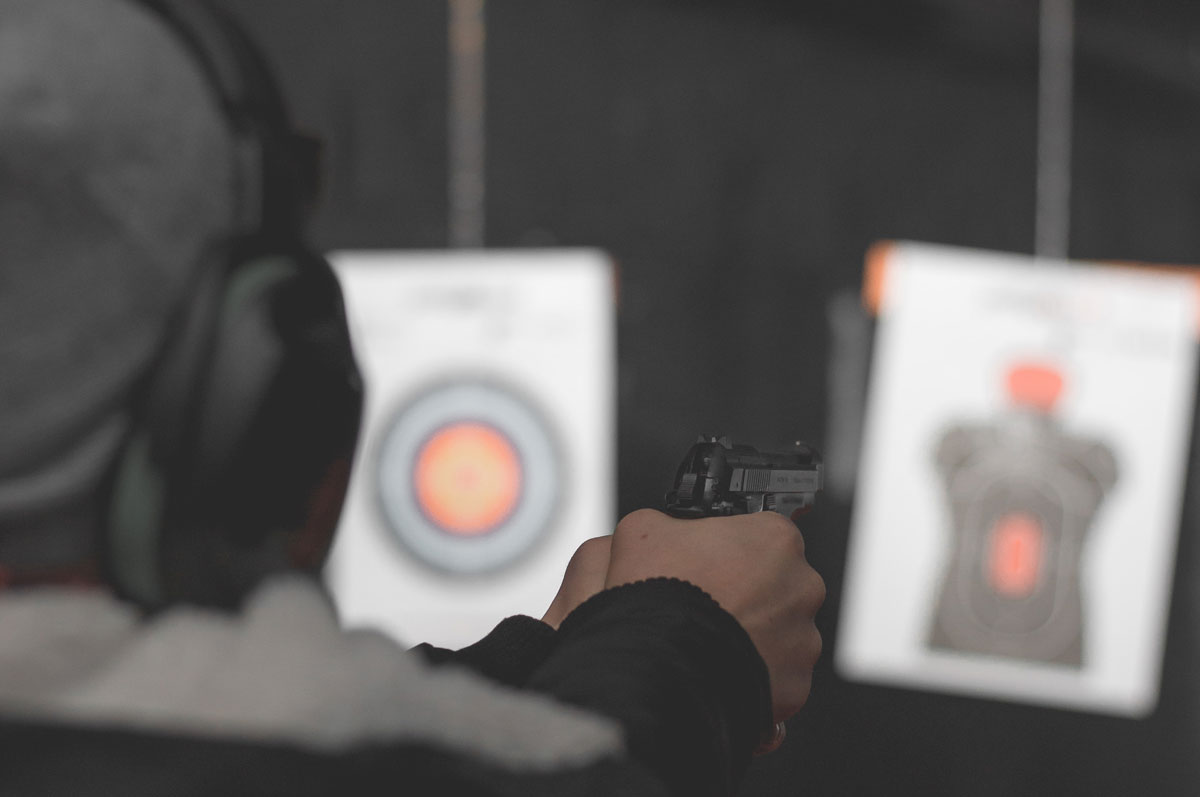
The Dangers of Lead Dust Exposure at Indoor Gun Ranges
- Lead, a once commonly used substance, has been removed from many products and manufacturing processes but remains a hazard at gun ranges.
- Lead particulate enters the air at shooting ranges both when a gun is fired and when the fired bullet hits a surface.
- Repeated exposure to these heightened levels of lead dust can lead to lead poisoning. This puts both employees and customers at risk. A review of several scientific studies found that people who spend time in indoor gun ranges have blood lead levels up to 40 times higher than the average person (Lead Exposure at Firing Ranges – A Review).
- Elevated exposure even applies to people who only attended one shooting event. It took days to weeks for lead levels to return to normal after just one event.
OSHA Citation in Texas
OSHA has cited gun ranges in the past for failure to control lead dust. Specifically, excessive lead dust can accumulate on surfaces and in the air. This can quickly exceed the permissible exposure limit. The OSHA limits for exposure to lead are very low because it is so toxic.
In 2019 OSHA cited an indoor shooting range for exposure of lead dust. Because they often don’t have proper ventilation, lead dust levels in indoor gun ranges can be very high. Consequently, the penalties for the 2019 case in Texas totaled over $200,000. One of the major issues the company faced was using brooms to sweep up dust and lead debris. Another issue is the company’s failure to address damaged personal protective equipment or do medical testing.
OSHA also noted the amount of lead dust accumulating around the facility. People using or working in an indoor gun range can pick up lead dust on their clothes or bodies. This dust then goes home with them and can affect others with lead exposure.
In addition to lead poisoning, there’s another exposure hazard. Without proper ventilation gun smoke and carbon monoxide may also build up in the shooting area. This poses further health risks. In high enough levels this can lead to carbon monoxide poisoning, resulting in hospitalization and even death.
Lack of proper filtration in an indoor gun range can also affect the visibility in the space. When many firearms are in use at once and ventilation is inadequate, a cloud may form from the many types of particulate in the air, lowering visibility and increasing danger.
Lead Dust Control in Gun Ranges
Gun ranges usually have a strong focus on safety and proper gun handling. However, they need a dust control system to prevent shooters and workers from lead dust exposure. The OSHA-cited facility in Texas attempted to clean up their dust and debris with brooms. This does not remove the dust. Instead, it pushes it into the air, where it settles onto surfaces.
The employees doing the sweeping are at high risk, but anyone inside the gun range will experience exposure. Even without stirring up dust on the floor, shooting produces airborne lead dust around the shooting area. Even if employees take precautions during cleaning the area, shooters wear no respiratory protection. This means that only a dust collection system can control lead dust exposure.
Simple ventilation will not solve the problem. The EPA regulates emissions of toxic materials like lead. The best solution is an industrial dust collection system. You can use a cartridge dust collector as an ambient system. This type of system cleans lead dust out of all the air in the facility on a continuous basis.
Rather than venting lead dust into the environment, a dust collector will capture the dust. Cartridge dust collector filters are highly efficient for small particles. If needed, after-filters can be added to make sure all the lead dust is captured.
Advantages of a Dust Collector for Shooting Ranges
A dust collection system will help a shooting range control lead dust exposure in several ways.
- Remove lead dust from the air around the shooters, keeping their exposure under control during shooting.
- Continuous dust removal prevents lead dust from accumulating, limiting the exposure that happens when workers sweep or clean up lead dust.
- The efficient filtration prevents the outside release of lead dust and keeps it from getting back into the building.
- Cartridge dust collectors are easy to maintain. Pulses of compressed air clean the filters, unlike HVAC filters in a regular ventilation system.
- Safely contain lead dust. It can be disposed of according to local regulations. Material contaminated with lead is less likely to end up in the environment.
What Type of Dust Collection Can Remove Dangerous Lead Particulate?
An air purification system that can filter the dangerous particulate present at indoor gun ranges is essential to keep customers and employees healthy.
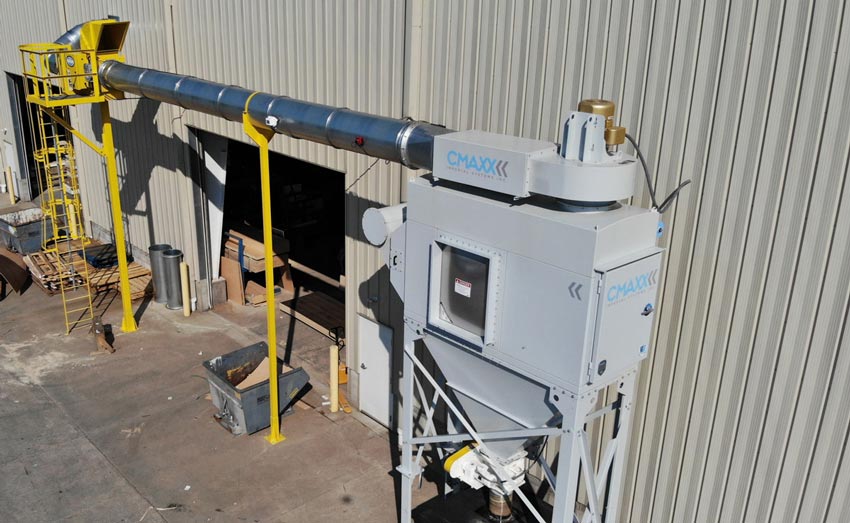
The CMAXX Dust & Fume Collector can provide the level of filtration needed to remove hazardous material from the air. Together with a HEPA after housing, particulate as small as 0.3 micron can be captured and removed from air being recirculated into the facility.
The CMAXX is a heavy duty dust collector that’s built to last. Our units are backed by a lifetime warranty, and we have a team of experts ready to assist if needed.
Gun Range Ventilation Frequently Asked Questions
What is gun range ventilation?
Gun range ventilation is an engineered air filtration and dust collection system designed to capture lead particulate, gun smoke, and carbon monoxide generated by firearm discharge at indoor shooting ranges. Proper filtration for indoor firing ranges pulls contaminated air away from shooters’ breathing zones, filters it to remove hazardous particulate, and maintains negative pressure to contain contaminants within the range.
Why is ventilation so important at an indoor gun range?
Every time a firearm is discharged, lead particulate, carbon monoxide, and other contaminants are released into the air. Without proper shooting range ventilation, these contaminants accumulate to dangerous levels, causing lead poisoning, respiratory illness, and reduced visibility. Studies have found people who spend time in indoor gun ranges can have blood lead levels up to 40 times higher than the average person.
Is lead dust really that dangerous at indoor gun ranges?
Yes. Lead is a neurotoxin that can cause digestive issues, high blood pressure, memory and concentration problems, kidney damage, and developmental issues in children. Even a single shooting session can elevate blood lead levels for days to weeks. Range employees, shooters, and their families are all at risk because lead dust can be carried home on clothing and skin.
Does OSHA regulate indoor gun ranges?
Yes. OSHA enforces strict Permissible Exposure Limits for lead and has cited indoor ranges for failing to control lead dust. In a 2019 Texas case, penalties exceeded $200,000 for violations including using brooms to sweep up lead debris and failing to provide medical monitoring. OSHA requires engineering controls like ventilation and dust collection as the primary method of exposure reduction.
What is negative pressure and why does a gun range need it?
Negative pressure means the air pressure inside the range is lower than the surrounding building, so air flows into the range but never out into other spaces. This keeps lead dust, smoke, and carbon monoxide contained within the range rather than contaminating lobbies, offices, or retail areas. Negative pressure is essential for filtration for indoor firing ranges to protect non-shooters in the facility.
What is push pull ventilation at a shooting range?
Push pull ventilation supplies clean, conditioned air behind the shooting line and pulls contaminated air downrange toward the bullet trap. NIOSH recommends an airflow of 50 to 75 feet per minute at the firing line, with supply inlets placed about 15 feet behind shooters. This design moves lead emissions away from the shooter’s breathing zone toward filtered exhaust at the back of the range.
Do I need HEPA filters for a gun range?
Yes. OSHA and NIOSH require HEPA filtration (99.97% efficient at 0.3 microns) on any exhausted or recirculated air from an indoor firing range to prevent lead from entering the outdoor environment or reentering the facility. Pairing a CMAXX cartridge dust collector with a HEPA secondary filter captures even the finest lead particulate.
Can I recirculate air in a gun range instead of exhausting outside?
Yes, with proper filtration. Recirculating systems are significantly more energy efficient because they don’t require heating or cooling 100% outdoor make up air. However, recirculation requires high efficiency cartridge filtration plus a HEPA after housing to ensure lead levels stay below OSHA PELs. You may be required to exhaust some air outside however to maintain a negative pressure situation within the range. A CMAXX paired with HEPA filtration makes safe recirculation possible in most range designs.
Can a regular HVAC system handle an indoor shooting range?
No. Standard HVAC is not designed to capture hazardous particulate like lead dust, and using HVAC filters alone allows lead to accumulate in ductwork and recirculate back into the facility. An industrial dust collection system like the CMAXX, paired with HEPA secondary filters, is required to safely handle the contaminants produced at indoor ranges.
How do you safely clean lead dust at a gun range?
Never use brooms, dry sweeping, or compressed air, these methods push lead dust into the air where it becomes inhalable and settles on other surfaces. The OSHA cited Texas range used brooms to clean up debris, which was one of the primary violations. The only safe approach is a continuous ambient dust collection system like the CMAXX that captures lead particulate from the air before it can settle, combined with HEPA rated vacuums and wet wiping for surface cleaning.
How often do gun range filters need to be changed?
Filter life mainly depends on range volume and hours of operation. There’s no set schedule, and a differential pressure gauge is the most reliable way to know when filters need changed. HEPA filters in a properly designed system often last six months to two years. DeltaMAXX Prime cartridge filters are engineered for extended life in demanding applications and may last 1-3 years.
How do you dispose of lead contaminated filters?
Filters from indoor firing ranges are considered hazardous waste under the Resource Conservation and Recovery Act (RCRA) because they contain dangerous quantities of lead. They must be handled, stored, and disposed of according to federal and state hazardous waste regulations. Many ranges use licensed hazardous waste contractors to manage filter disposal. The company that takes your spent projectiles from the bullet trap or rubber burm may also be able to recycle the filters.
Does the type of ammunition affect ventilation requirements?
Yes. Traditional lead bullets with exposed lead bases produce the most airborne lead during firing. Jacketed bullets reduce lead emissions somewhat, and fully lead free ammunition with non lead primers produces the lowest levels. OSHA recommends substituting jacketed or lead free ammunition where possible, but ventilation and dust collection are still required because even lead free ammunition generates carbon monoxide and other contaminants.
Why is continuous ambient dust collection so important at a gun range?
Lead particulate generated during firing doesn’t just stay in the air, it settles on floors, walls, benches, and equipment where it can be stirred back up and inhaled. A continuous dust collection system like the CMAXX runs throughout range hours to pull lead dust out of the air before it can accumulate, dramatically reducing exposure for shooters and staff and limiting the amount of lead that needs to be cleaned later.
How do I design the right ventilation system for my indoor gun range?
Start by documenting the range size, type and size of bullet stop (bullet trap, rubber berm etc), number of shooting lanes, ammunition type, and hours of operation. From there, Imperial Systems can recommend the right combination of CMAXX dust collector, HEPA filtration, and airflow design sized for NIOSH airflow requirements and compliant with OSHA and EPA regulations.
Recommended Equipment
Possible Equipment
- HEPA After Housing