
Industrial Woodworking Dust Collection
The woodworking industry includes many different processes and types of dust. It’s machinery typically produces large amounts of dust. So, it’s critical that the right woodworking dust collection system be expertly selected and sized. Additionally, sawdust and wood particles are extremely combustible, so industrial dust collection for woodworking must have solid fire and explosion protection.
Further, industrial woodworking produces particles of different sizes, from chunks of wood to very fine powder. A dust collection system can be designed to separate these different types of material for better efficiency.
Woodworking dust collection applications often include:
Lumber & Sawmills
Cabinet Making
Particle Board Manufacturing
Wood Pallet Production
Biomass
Flooring Manufacturers
Furniture Manufacturers
Industrial Woodworking Dust Collection Safety
According to Dust Safety Science, wood dust caused more than a quarter of all combustible dust accidents in 2018. The dangers of sawdust are often underestimated. In many facilities, dust accumulation around the woodworking machinery leads to destructive fires. Wood dust fires travel at high speed and can ignite larger explosions.
Woodworking dust collectors protect people from injury. They also protect companies from OSHA fines, which will be especially high if there is a combustible dust incident.
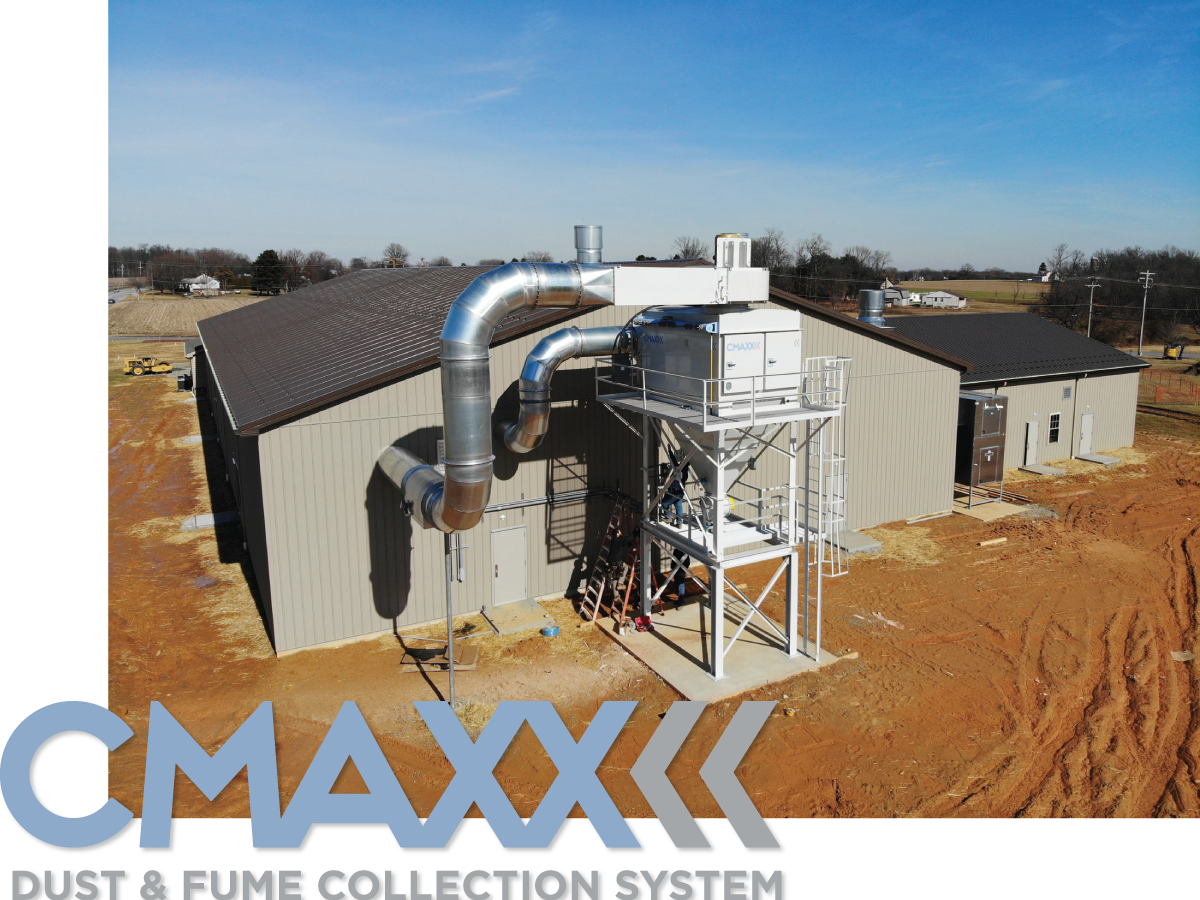
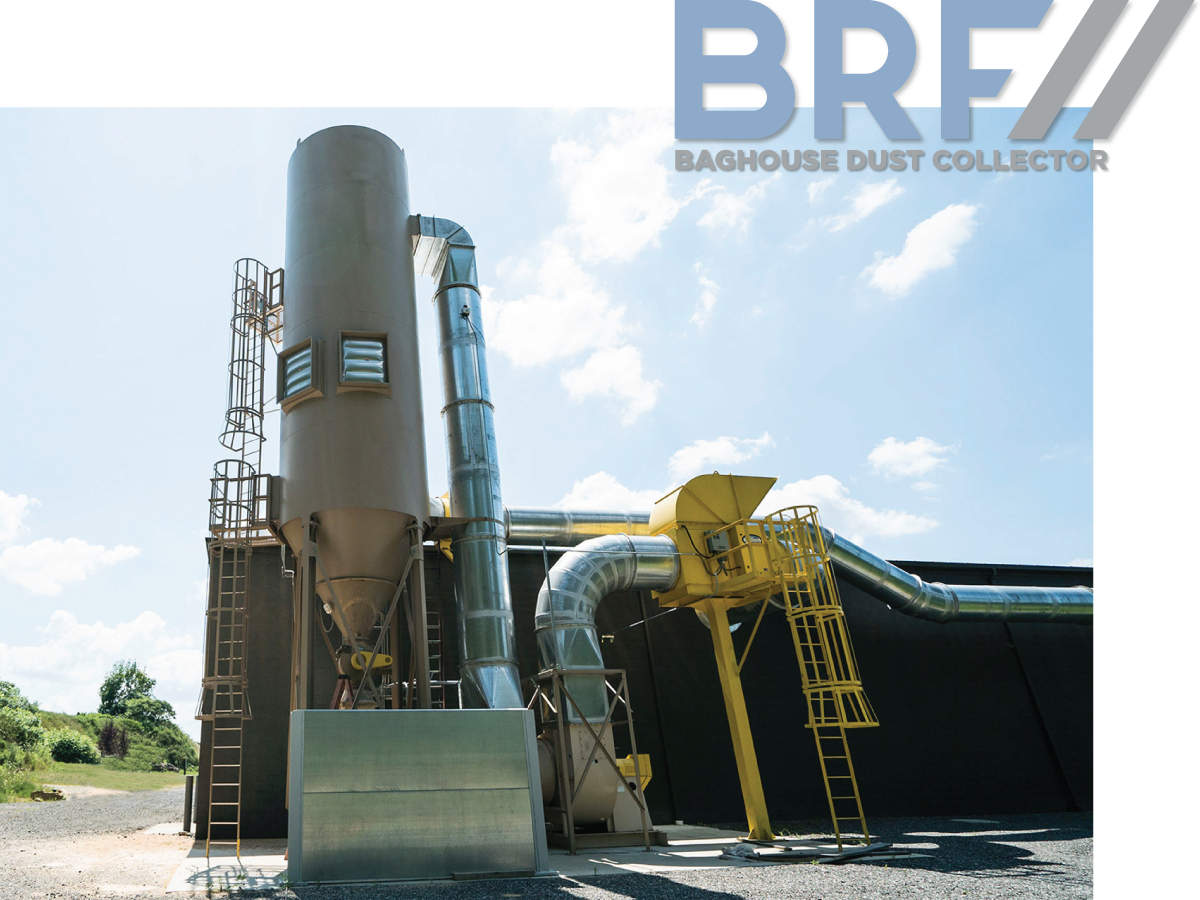
Many competitors will recommend baghouses for all woodworking applications. However, Imperial Systems has also installed CMAXX cartridge collectors on these applications with great success. CMAXX collectors often out-perform baghouses for many of our woodworking customers. The CMAXX has advantages over a baghouse including easier maintenance and more compact size. Industrial systems should be designed for each company’s type of dust and woodworking machinery.
Cyclone
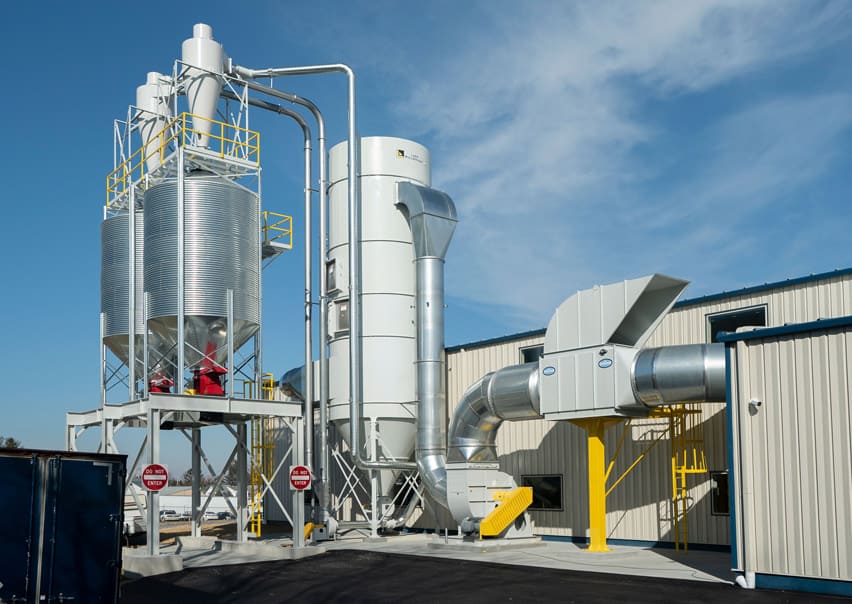
If your woodworking application produces larger chunks of wood as well as finer dust, a cyclone might be helpful. The purpose of a cyclone is essentially to sort the larger material before it enters the cartridge or baghouse unit. A cyclone will drop out the heavier material and allow the finer dust to continue on to the dust collector.
Chemical Suppression System
When a pressure spike indicating an explosion is detected, this system quickly disperses an explosion suppressant to keep the deflagration isolated inside the unit. This is a good option for when explosion venting is not a possibility based on the location and arrangement of the dust collector.
Abort Gate
An Abort Gate is typically situated on the return air side of the dust collector and diverts clean air, sparks, and fumes. An Abort Gate can also be trigged by a spark detector or broken bag detector, preventing harmful material like fire and smoke from entering the building.
Explosion Venting
Explosion venting ensures that, in the unlikely event that a deflagration occurs in a dust collector, the built up pressure inside the vessel has a way to escape. Proper venting allows the event to diffuse instead of escalating into a more dangerous problem.
Spark Detection & Extinguishment
This system is installed on the ductwork and detects any sparks that are present in the duct. Once detected, sparks are extinguished downstream before they can continue on and cause further damage to equipment or reenter the facility.
Explosion Isolation Valve
This system is installed on the ductwork and detects any sparks that are present in the duct. Once detected, sparks are extinguished downstream before they can continue on and cause further damage to equipment or reenter the facility.
Airlock
Our Airlocks maintain a consistent seal at the outlet of the dust collector while allowing material to continuously pass through. This seal also allows discarded material to be properly discharged, and prevents it from returning to the dust collector.
Hoods & Manifolds
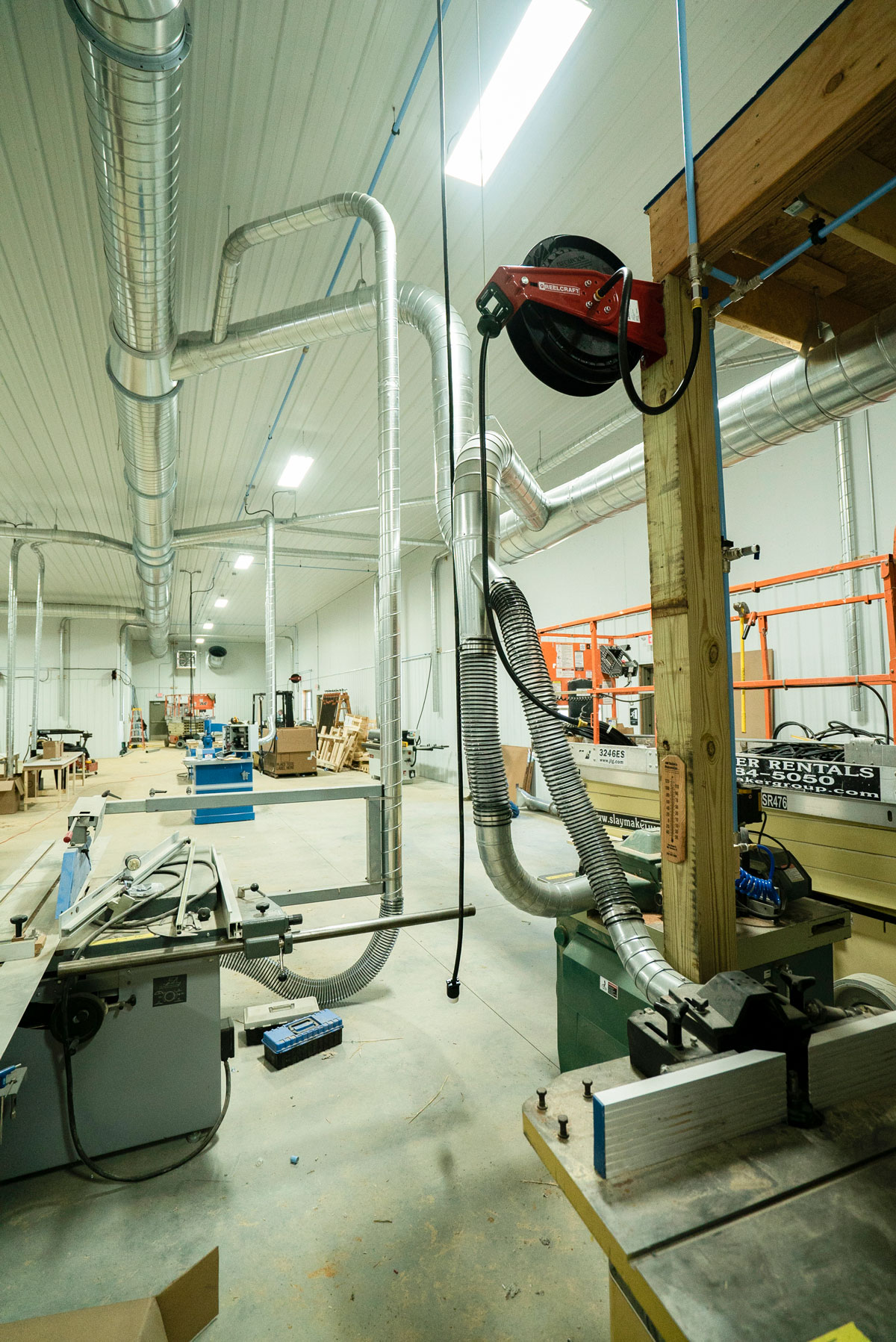
Hoods and manifolds ensure that dust is being properly collected from each part of the machine producing dust. Duct design plays a large roll in the efficiency of the dust collection system, and our team has spent years striking the perfect balance between efficiency and precision.
VFD Drive
A variable frequency drive (VFD) automatically adjusts airflow as the differential pressure rises and there is a need for more suction to properly clean the filters. Without a VFD, more maintenance time is needed in checking the differential pressure and adjusting the slide gate or fan damper manually.
Woodworking Dust Collection Equipment by Imperial Systems
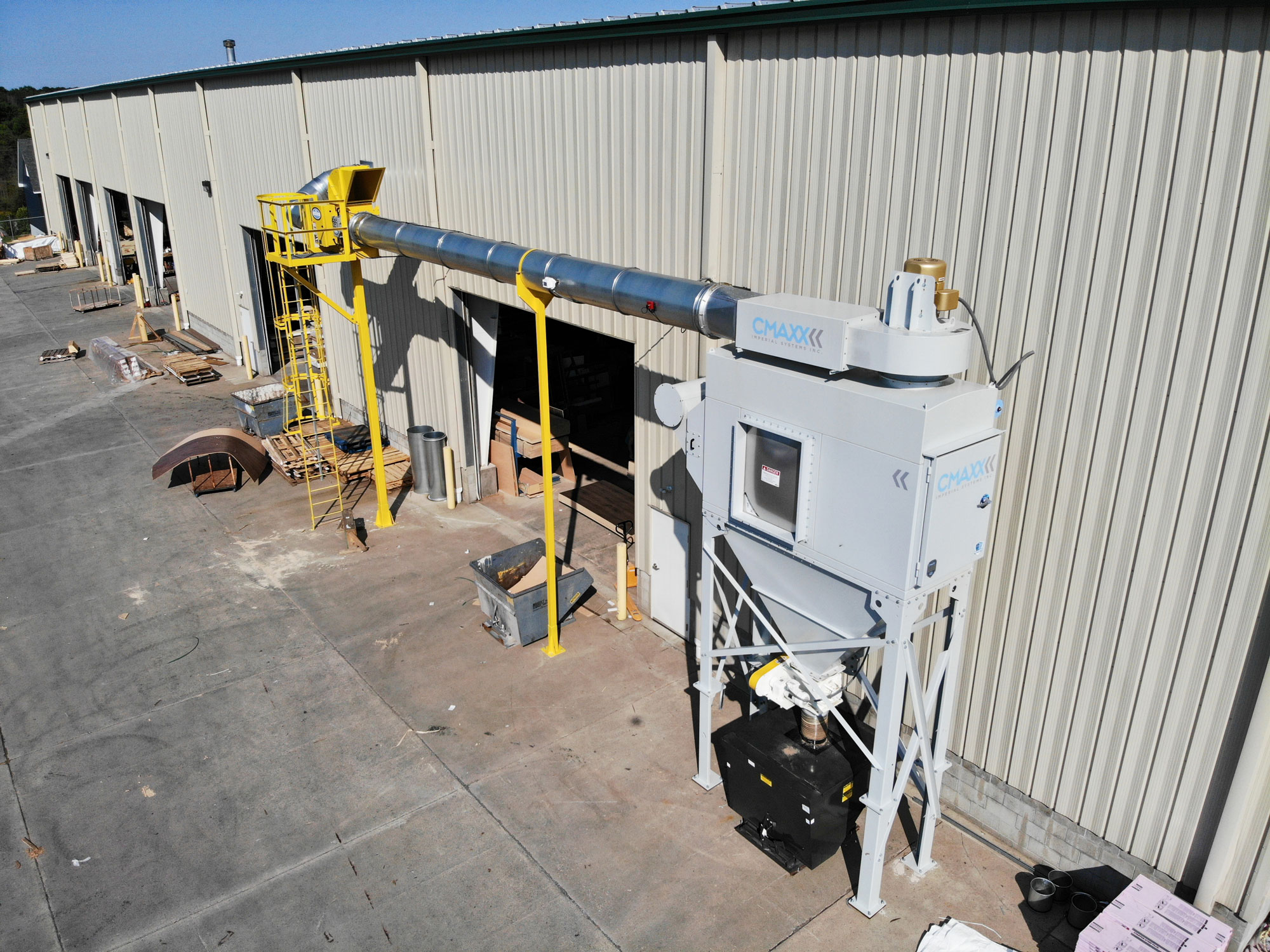
Cabinet Shop – Pennsylvania
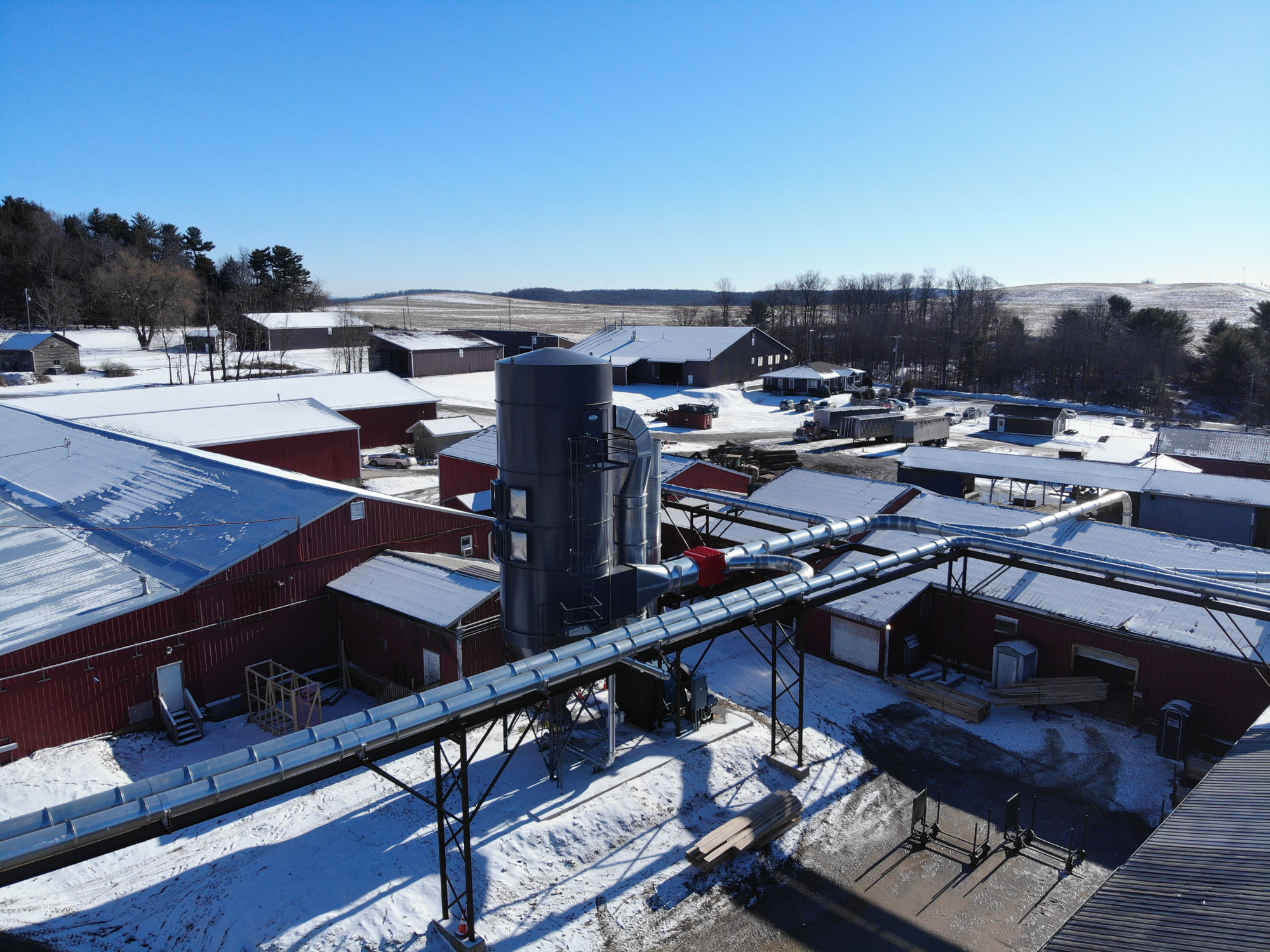
Pre-Fabricated Homes – Pennsylvania
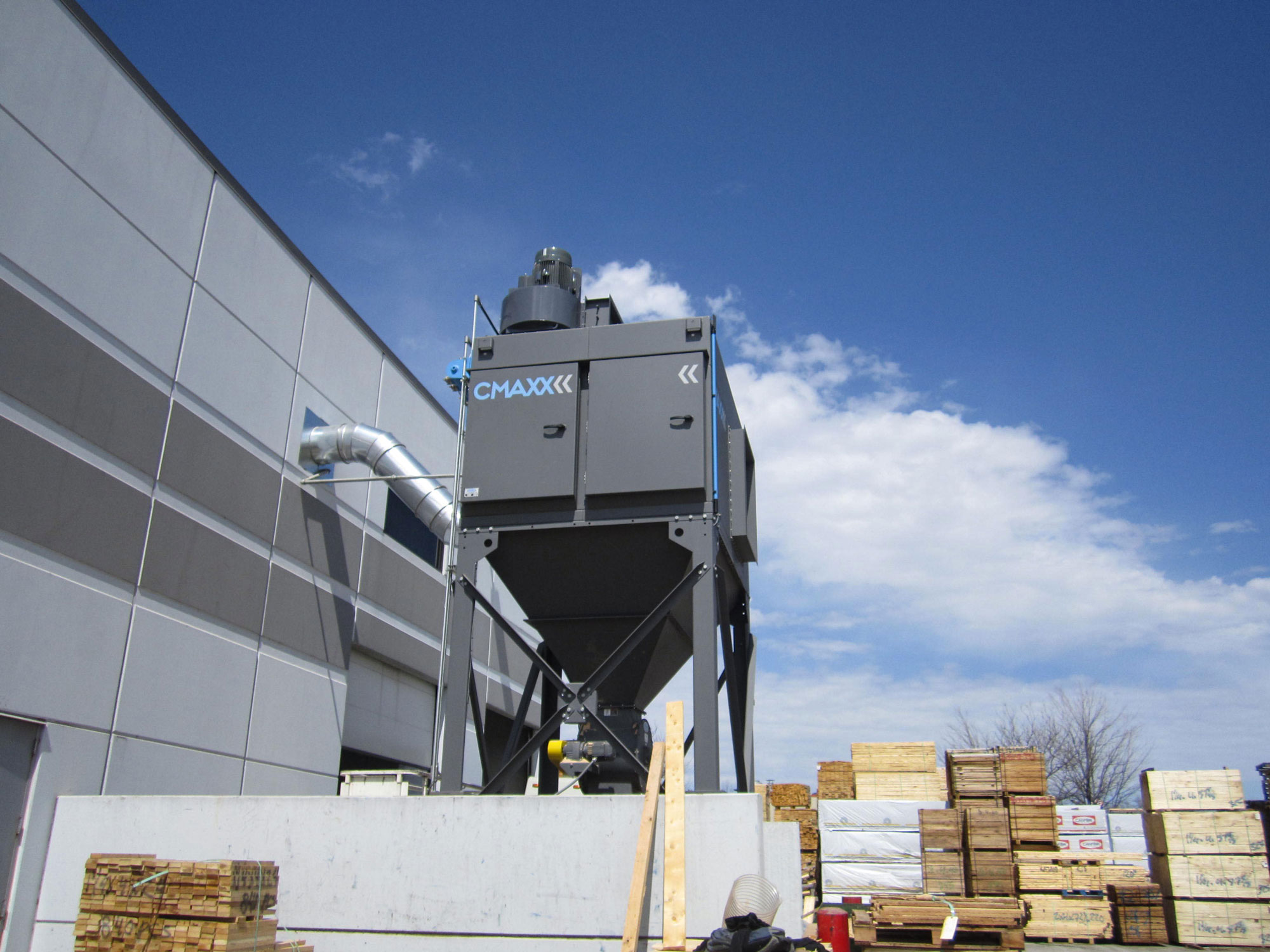
Sawmill – Pennsylvania
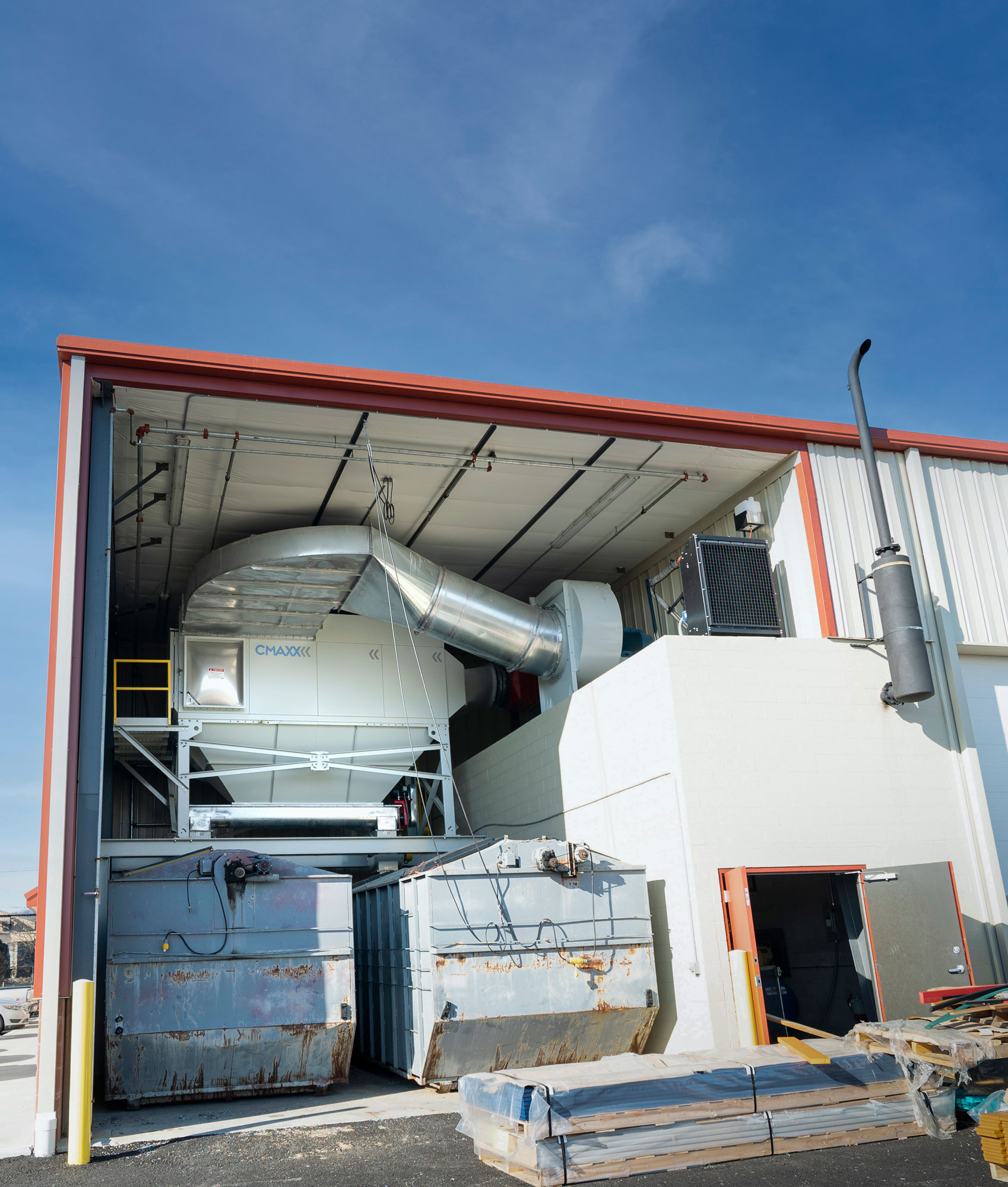
Pallet Manufacturer – Illinois
Plastic Lawn Furniture Manufacturer – Pennsylvania
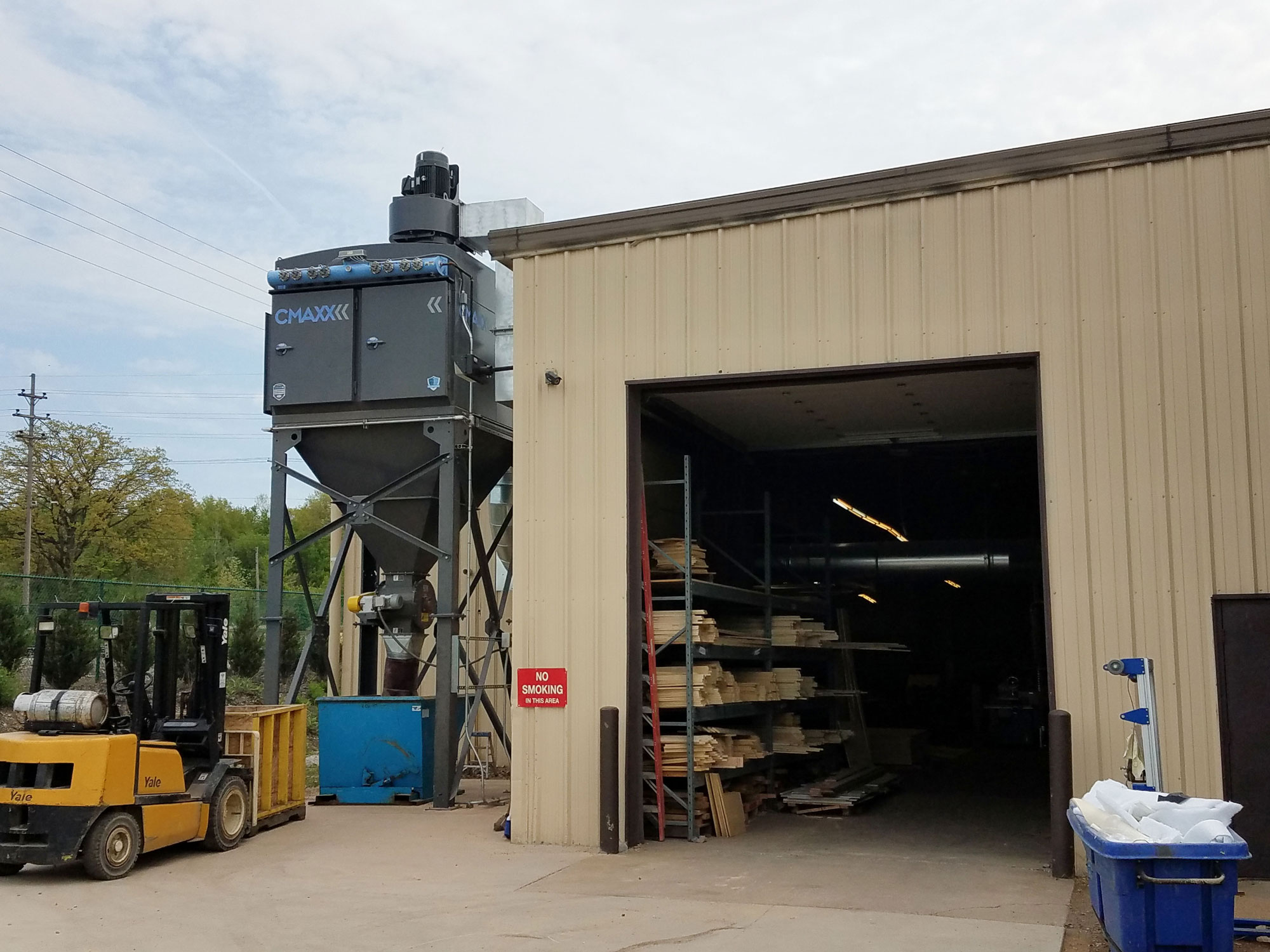
Furniture Manufacturer
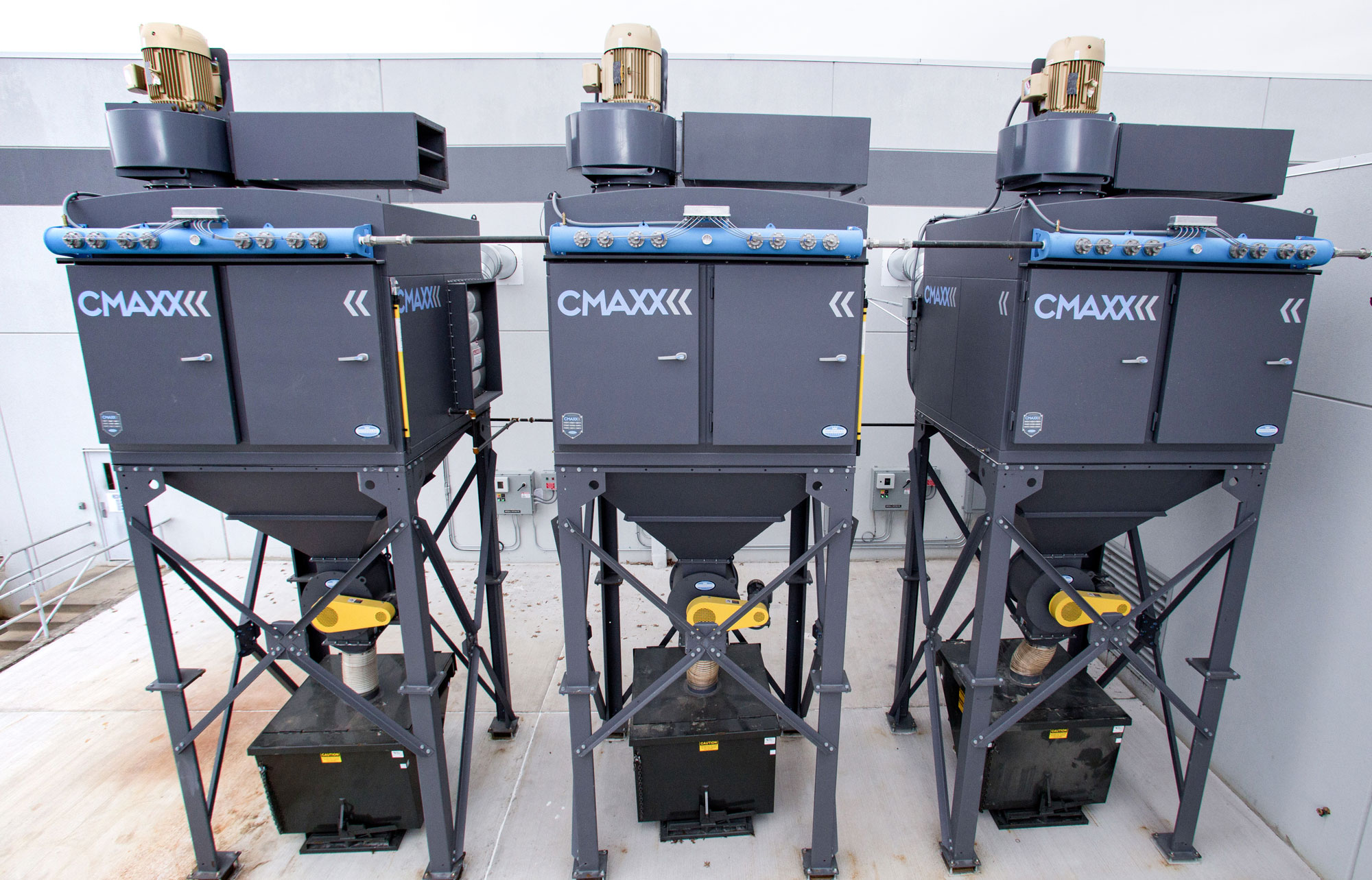
Window Fixture Manufacturer – Maryland
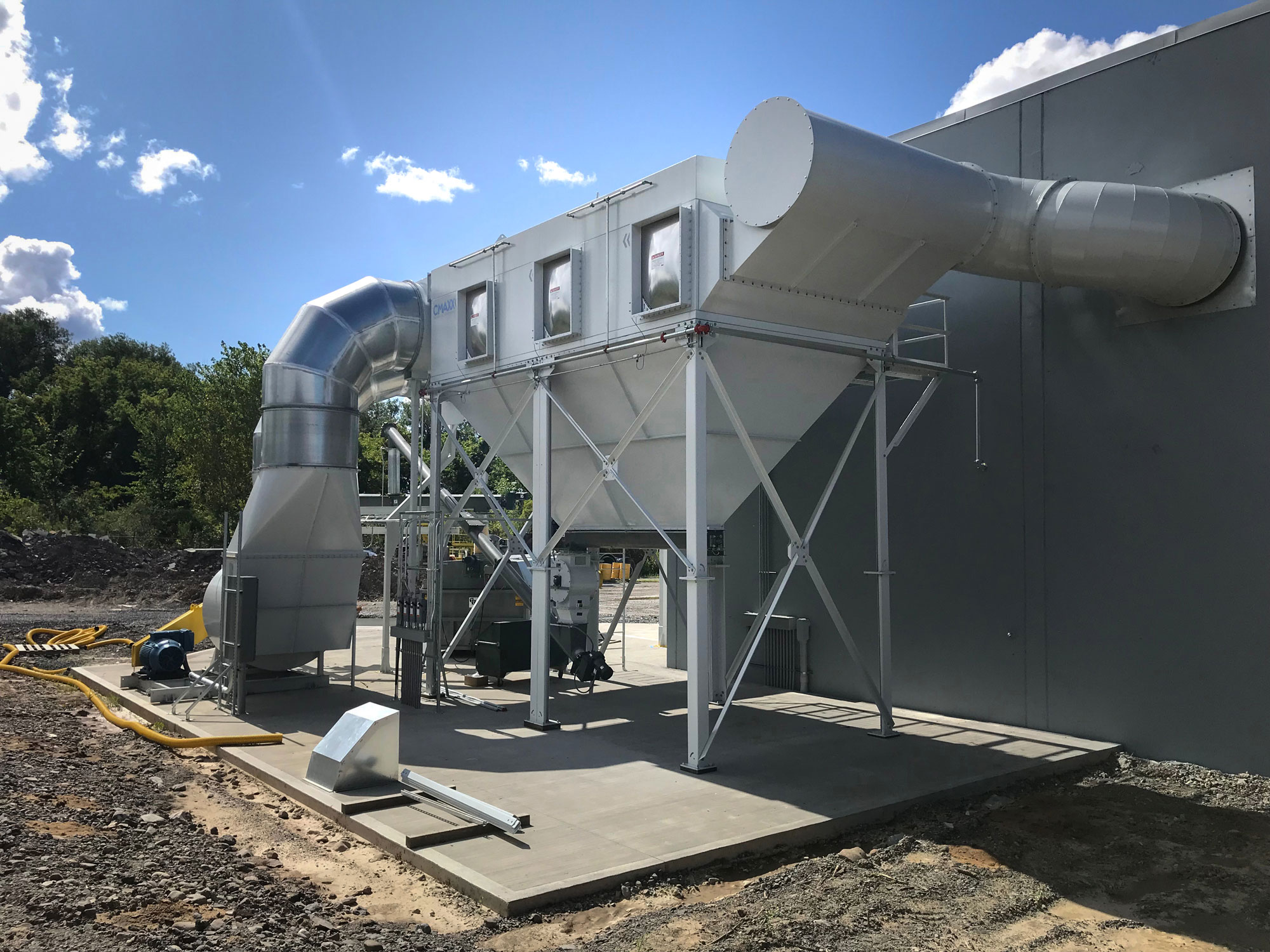
Hardwood Floor Finishing – New York
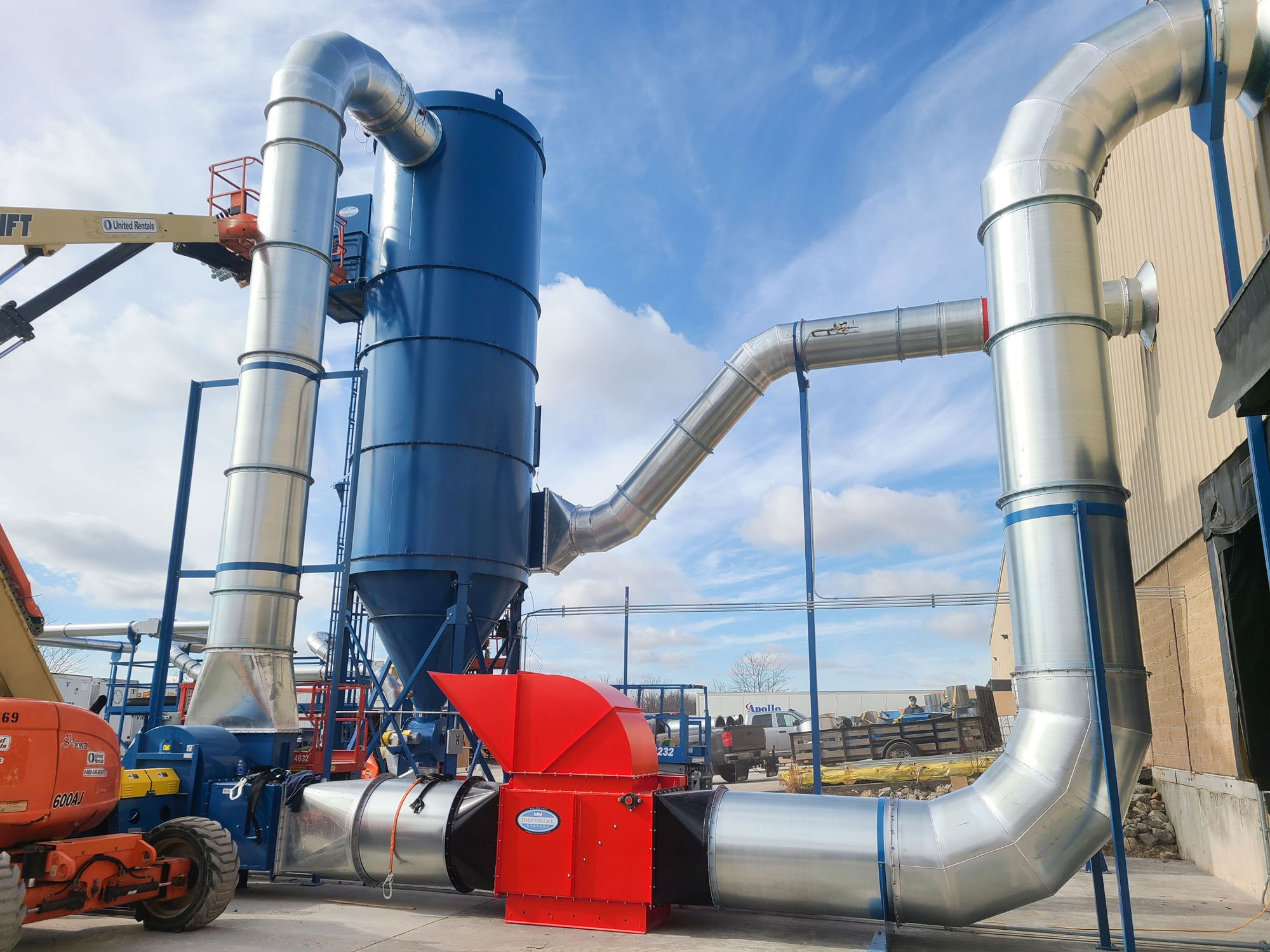
Cabinet Manufacturer – Kentucky
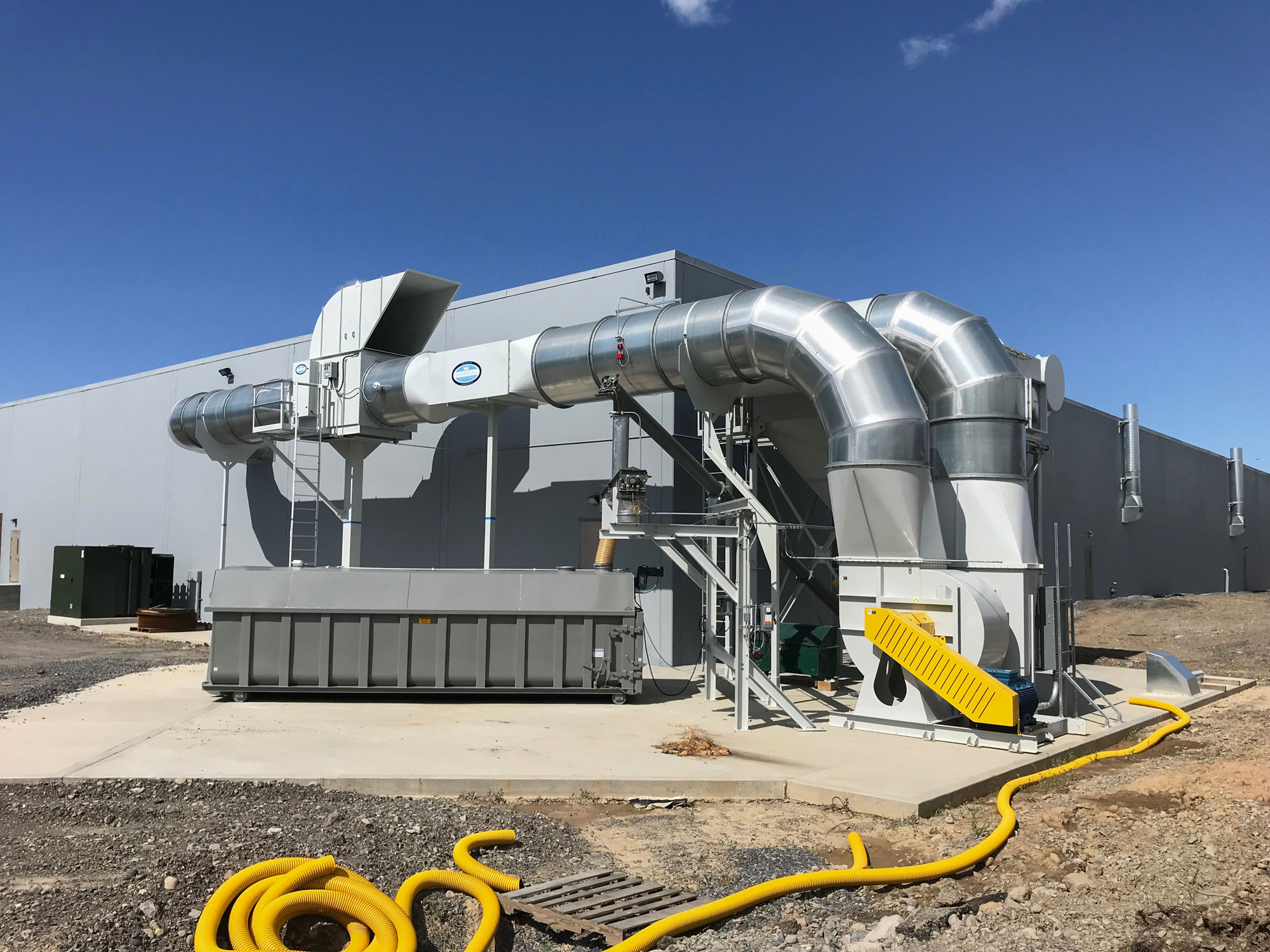
Hardwood Floor Manufacturer – New York
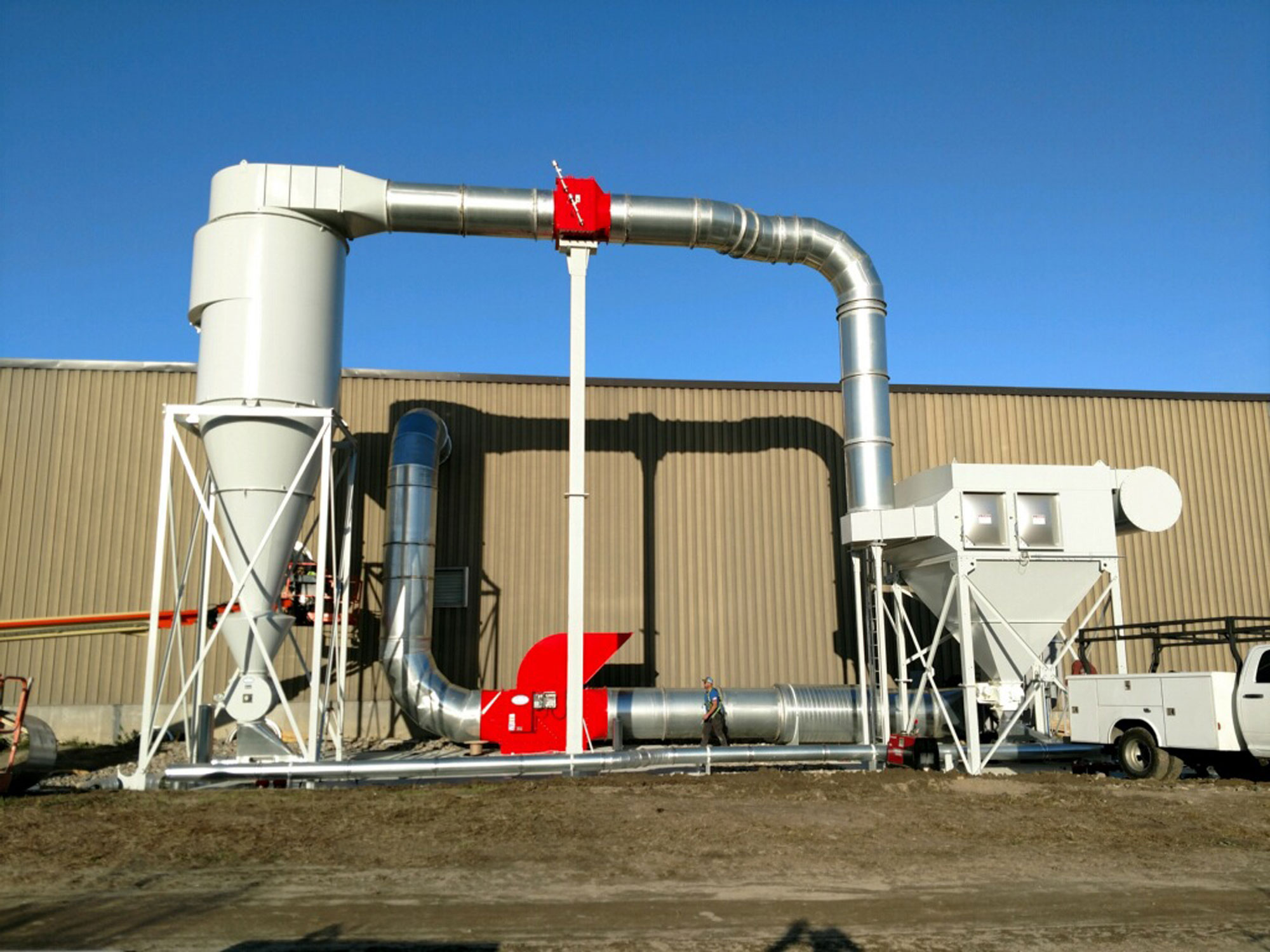
Door & Window Manufacturer – Maine
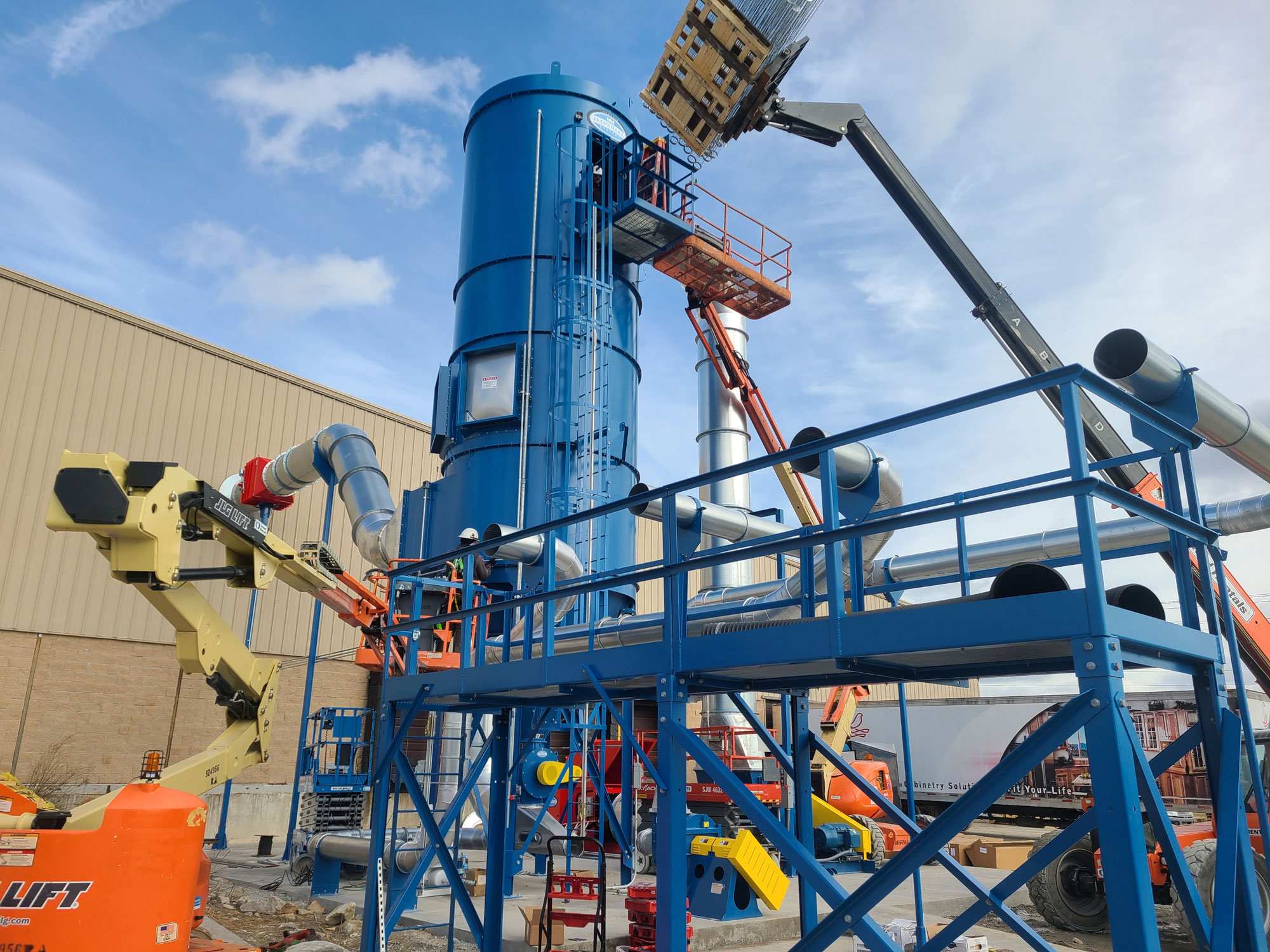
Cabinet Manufacturer – Kentucky
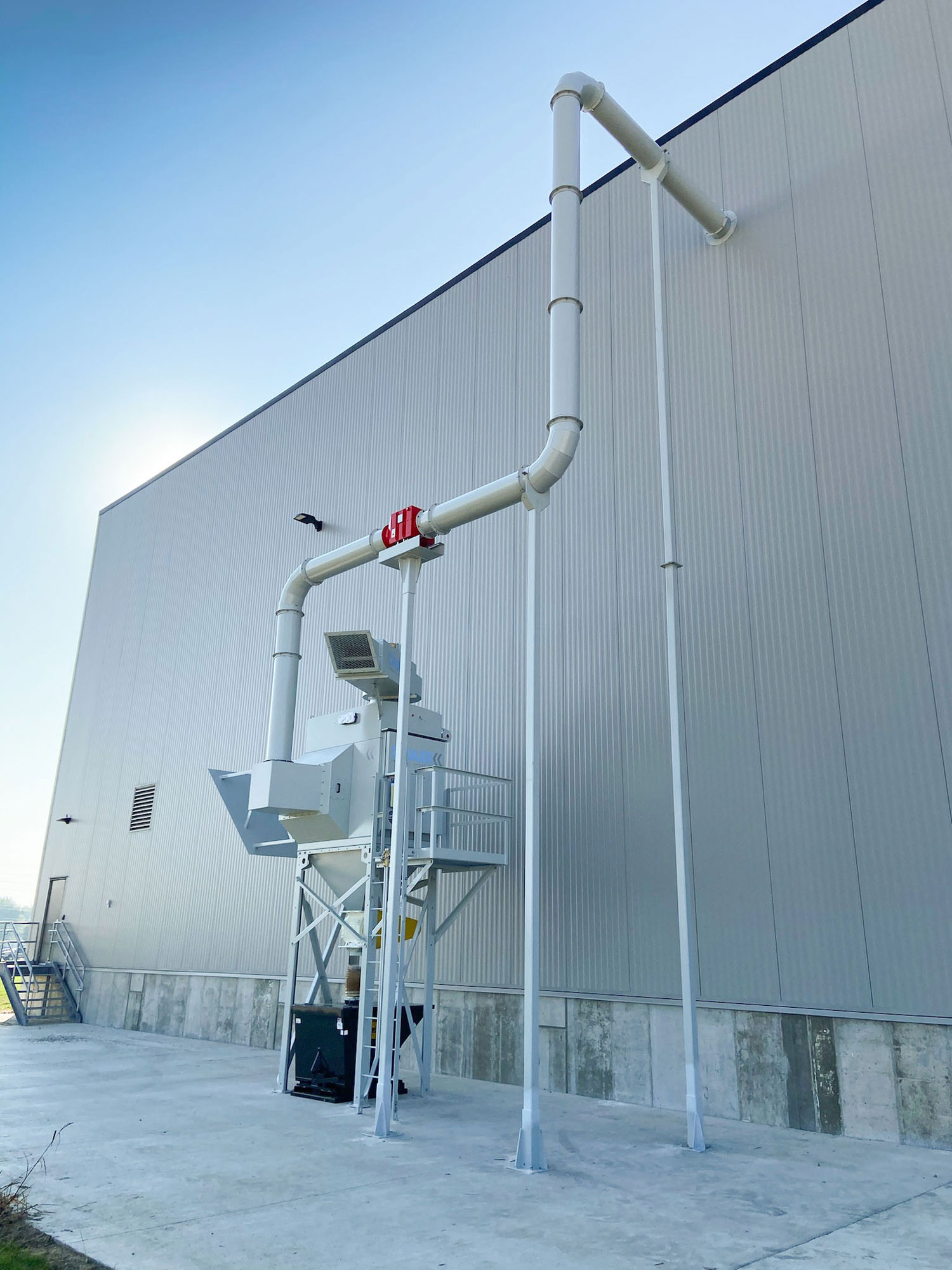
On a saw – Ohio
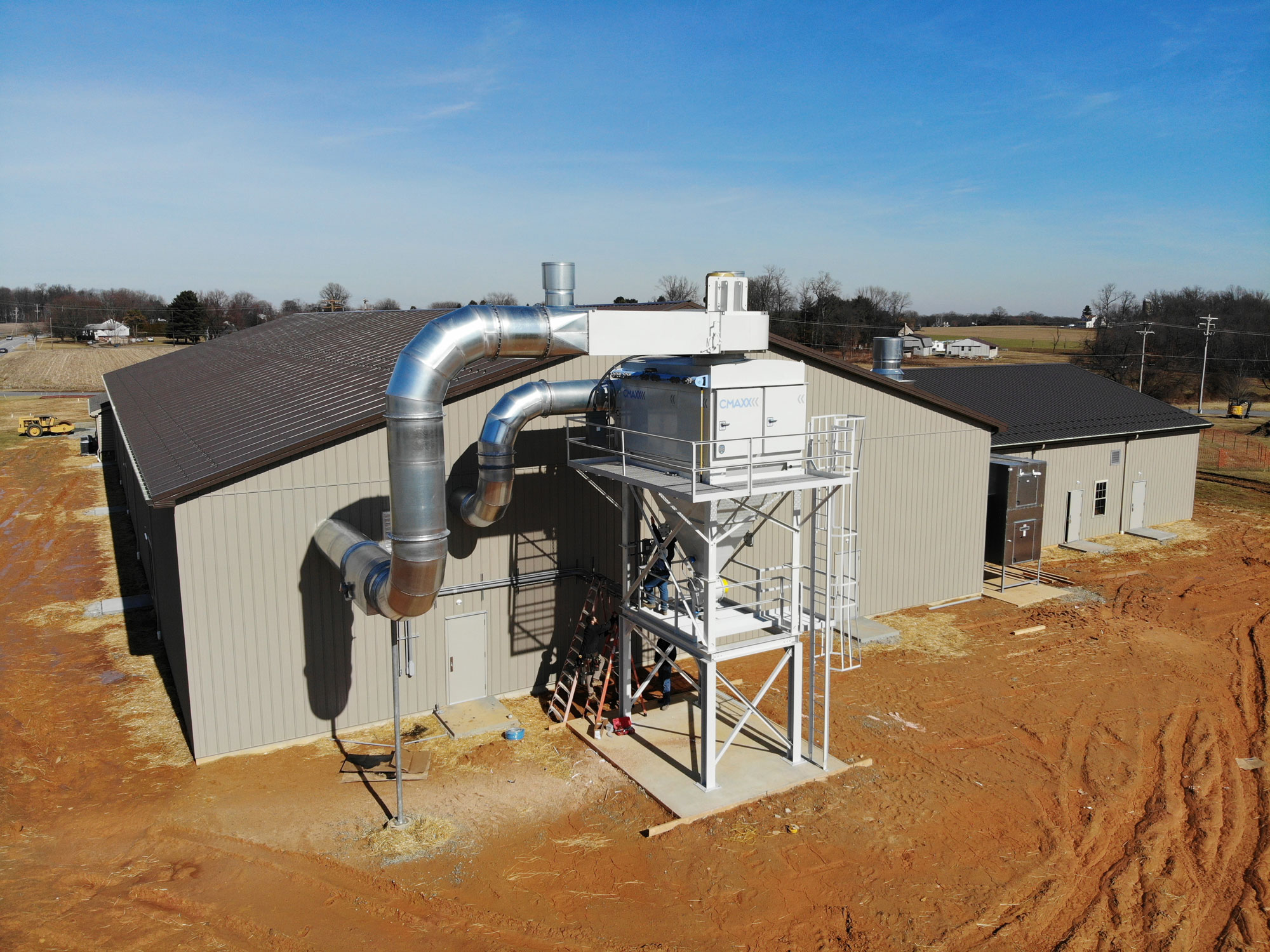
Cabinet Shop – Pennsylvania
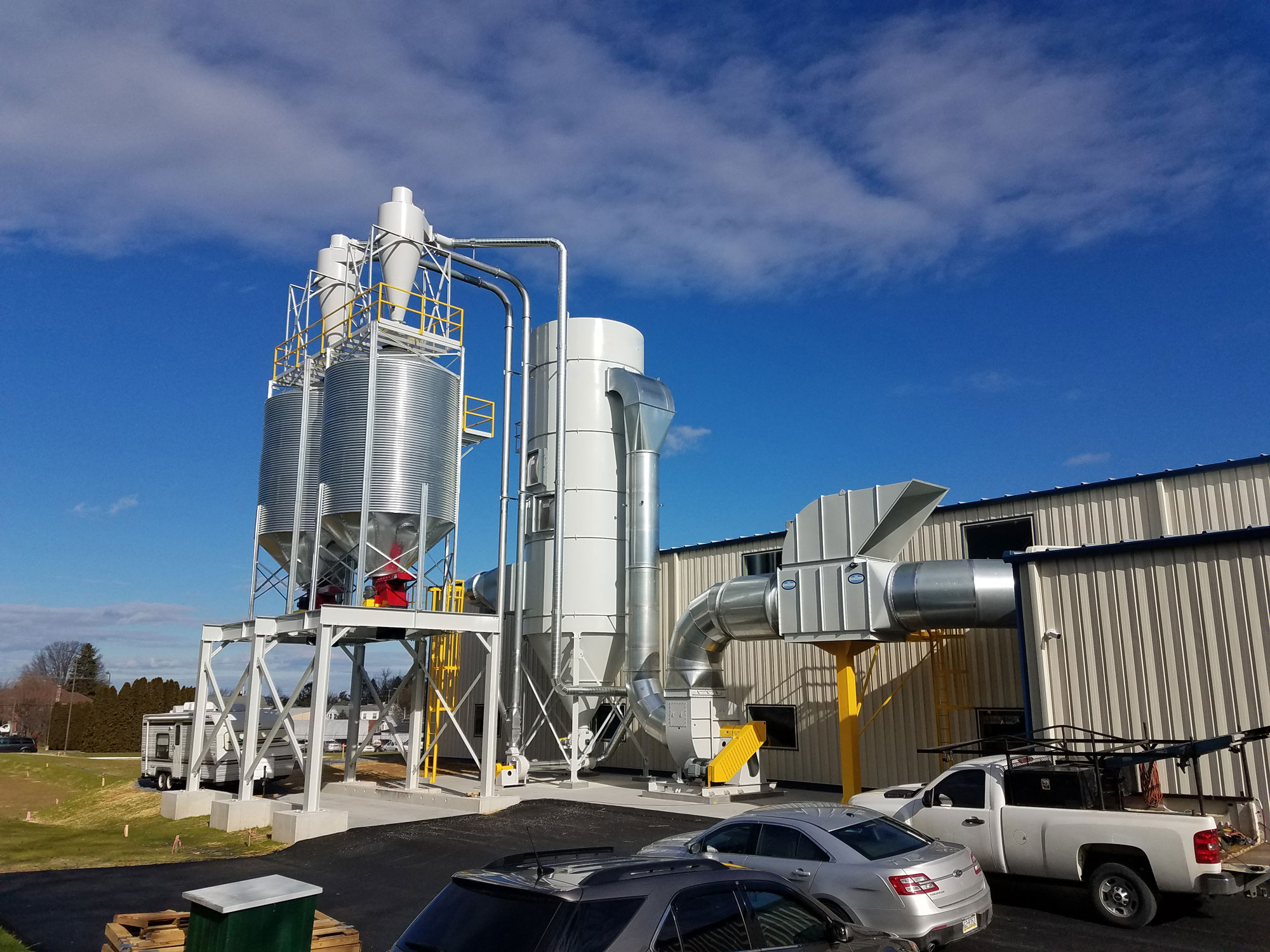
Furniture Manufacturer – Pennsylvania
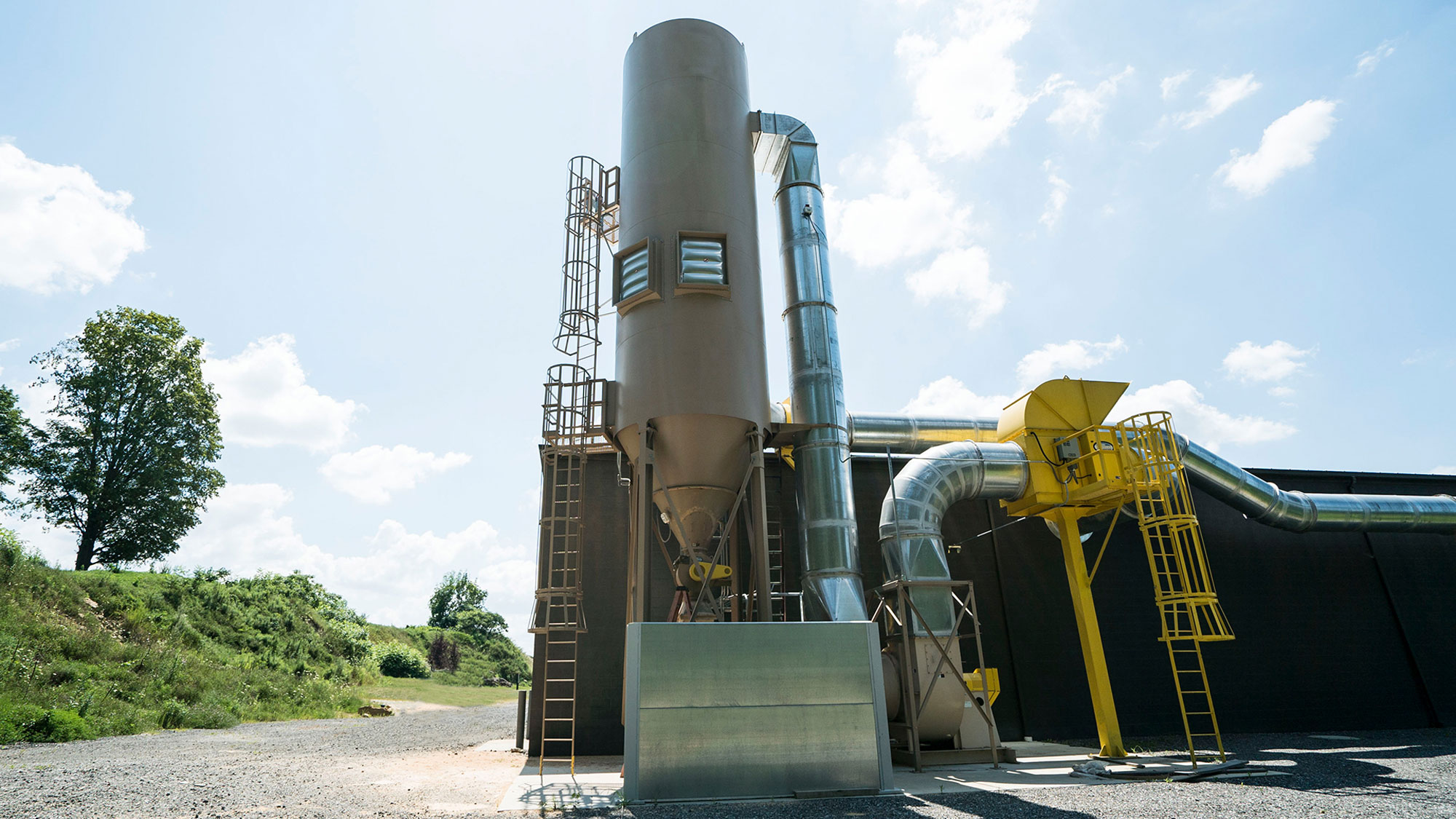
Sawmill – Ohio
Blog Posts
Case Studies
Industrial Woodworking Dust Collection Frequently Asked Questions
What is industrial woodworking dust collection?
Industrial woodworking dust collection is the process of capturing and filtering the sawdust, wood chips, and fine particulate produced by sawing, sanding, routing, and other woodworking operations. A dust collection system pulls dusty air through ductwork, separates heavier material, and filters fine dust before returning clean air to the facility or exhausting it outside.
Is wood dust really dangerous?
Yes. Wood dust is one of the most common combustible dusts in industry, and according to Dust Safety Science, it caused more than a quarter of all combustible dust accidents in 2018. Beyond fire and explosion risk, fine wood particles cause respiratory issues, asthma, and have been linked to nasal cancer with long term exposure.
Does OSHA regulate woodworking dust?
Yes. OSHA’s Permissible Exposure Limit for softwood dust is 5 mg/m³ over an 8 hour shift, and exceeding it can result in fines and health consequences. OSHA also enforces combustible dust standards that require hazard assessments, engineering controls, and housekeeping procedures in woodworking facilities.
Is wood dust combustible?
Yes. Fine sawdust and sanding dust suspended in air can ignite with explosive force, and wood dust fires travel at high speed and can trigger secondary explosions. Any type of organic dust, including wood dust, that meets all 5 points of the dust explosion pentagon is explosive. NFPA standards require fire and explosion protection such as spark detection, abort gates, explosion venting, chemical suppression, and isolation valves on any industrial dust collection system handling wood dust.
Baghouse or cartridge dust collector: which is better for woodworking?
Many competitors default to recommending a baghouse for every woodworking application, but that’s not always the right call. Imperial Systems has installed CMAXX cartridge collectors in sawmills, cabinet shops, and furniture plants with great success, often outperforming baghouses with easier maintenance and a smaller footprint. Baghouses still have their place for certain heavy-duty, high-volume applications, which is why Imperial offers the BRF Baghouse as well; the right choice depends on your specific dust and machinery.
What is a cyclone and do I need one?
A cyclone is a pre-separator that uses centrifugal force to drop out larger chunks of wood and heavy particulate before the air reaches the main dust collector. They’re especially useful in sawmills, pallet manufacturing, and other applications that produce a mix of coarse chips and fine dust. A cyclone extends filter life and improves overall system efficiency. In some cases, a cyclone may be all that is needed for dust extraction.
What CFM do I need for a woodworking dust collection system?
CFM requirements depend on the number and type of machines, particulate size, and material. A single sander may only need 400 to 600 CFM, while a full production shop with multiple machines running can require tens of thousands of CFM. Proper sizing accounts for static pressure, duct design, and pickup velocity, so a professional assessment is essential.
What types of facilities need industrial dust collection for woodworking?
Any operation that produces wood dust at scale, including sawmills, cabinet shops, furniture manufacturers, pallet production, particle board manufacturing, flooring manufacturers, door and window manufacturers, and biomass facilities. The size and complexity of the system scales with the operation, but the safety requirements apply across all of them.
What fire and explosion protection do I need on a wood dust collector?
NFPA standards typically require a combination of protection devices. Imperial Systems offers a complete lineup, including spark detection and extinguishment, Abort Gates to divert sparks away from the facility, explosion venting to release pressure safely, explosion isolation valves to prevent propagation, airlocks or the Rhino Drum for safe dust discharge, and chemical suppression systems.
How often do woodworking dust collector filters need to be changed?
Filter life depends on dust volume, filter media, and whether the system uses pulse jet cleaning technology. Quality cartridge filters like DeltaMAXX Prime in properly sized systems can last a year or more in many woodworking applications, while heavy duty sanding operations may shorten that window. Bag filters may have a longer life, but are more costly and time-consuming to change.
Can I recirculate filtered air back into my shop?
In many woodworking applications, yes. Recirculating saves significant energy on heating and cooling, and high-efficiency cartridge filters can clean air to acceptable indoor standards. However, recirculation must comply with OSHA PELs and NFPA requirements, and systems handling treated wood, composites, or other hazardous materials may need to exhaust outside.
What makes the CMAXX a good fit for woodworking?
The CMAXX offers several advantages over traditional baghouses in woodworking applications. It features vertical cartridge filters with angled inlet baffles, MERV 15 rated DeltaMAXX Prime filters, a smaller footprint, easier filter changes, and a lifetime manufacturer’s warranty. Combined with optional fire and explosion protection, it’s a proven solution for cabinet shops, furniture manufacturers, sawmills, and flooring plants.
How much does a woodworking dust collection system cost?
Cost varies widely based on the size of the operation, the number of pickup points, ductwork complexity, and required fire and explosion protection. Because every facility has different machinery, dust characteristics, and safety requirements, Imperial Systems custom designs each system rather than offering off the shelf pricing. A facility assessment and quote is the best way to get an accurate number.
How do I choose the right woodworking dust collection system?
Start by documenting your machinery, the types of wood you process, production volume, and facility layout. From there, Imperial Systems can recommend the right combination of cyclone, baghouse or CMAXX cartridge collector, ductwork, and fire protection sized for your CFM needs and compliant with OSHA and NFPA requirements.