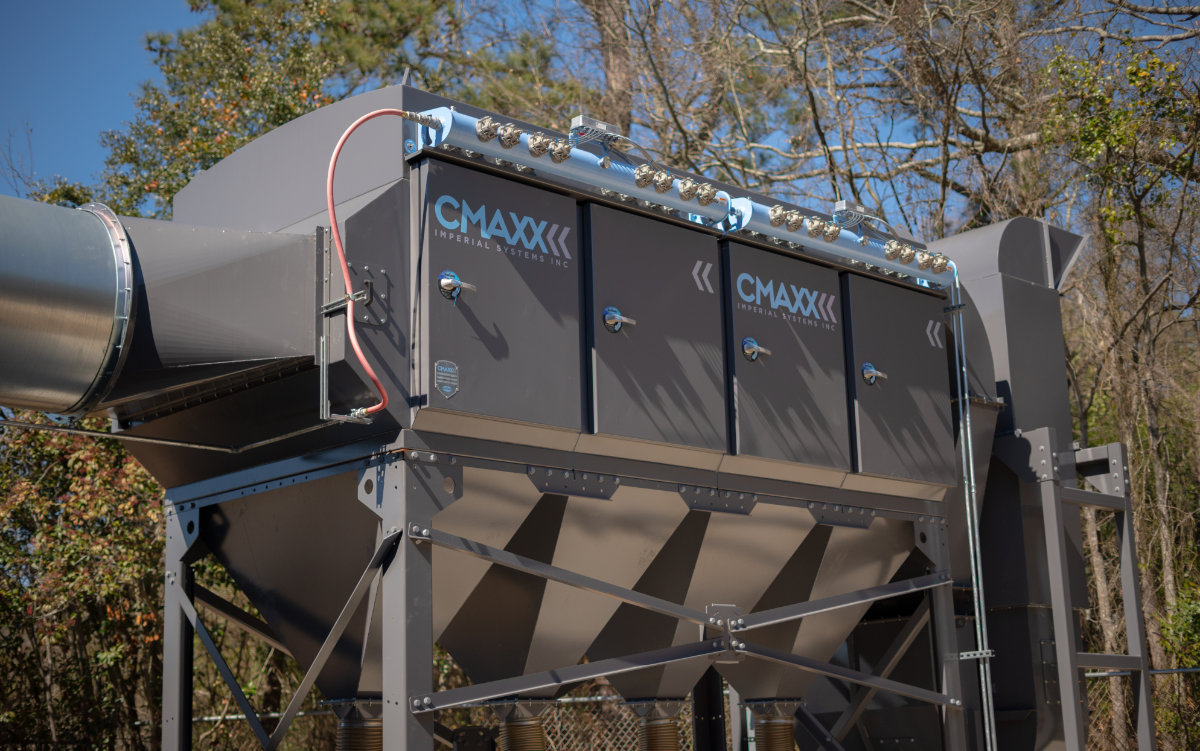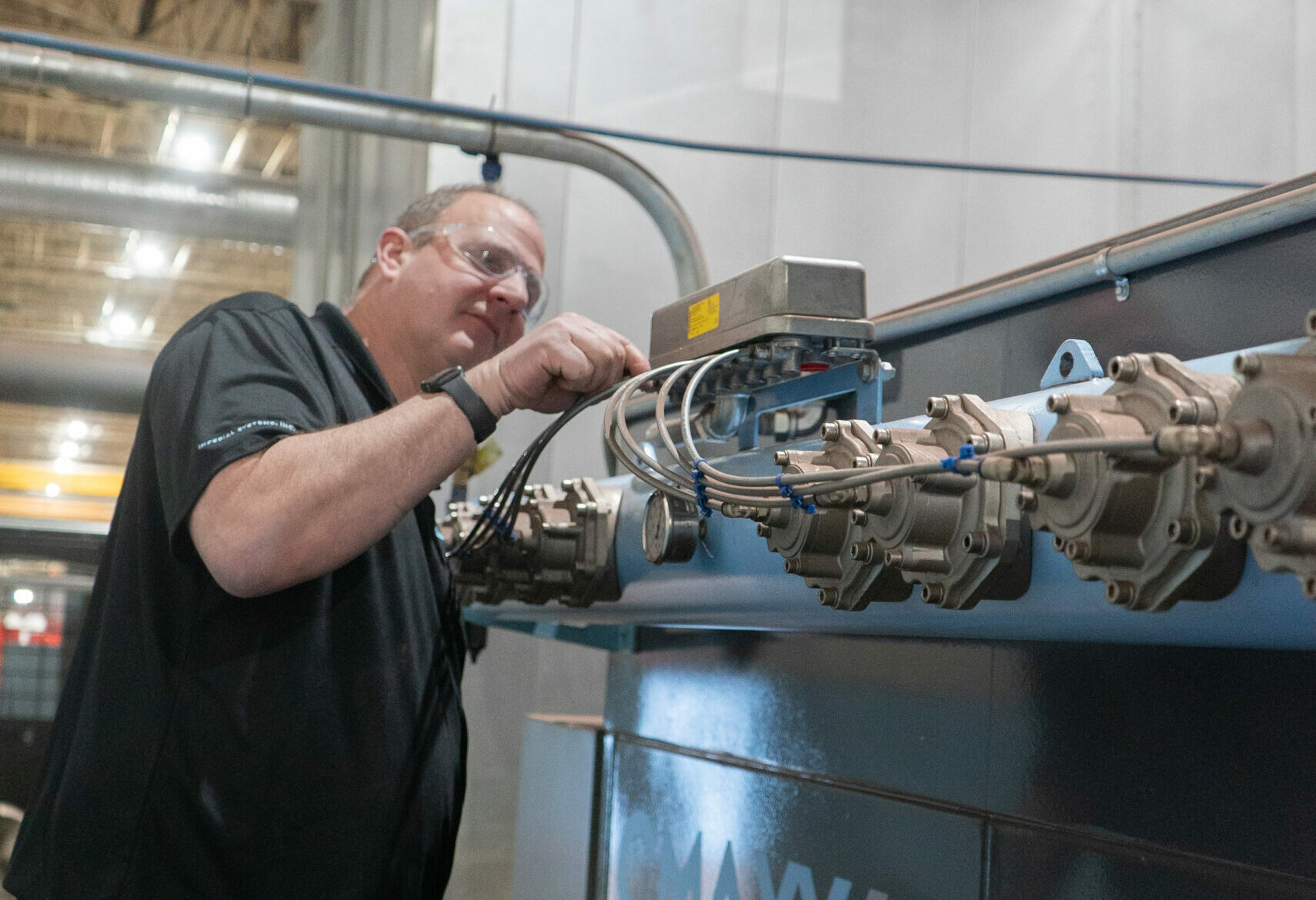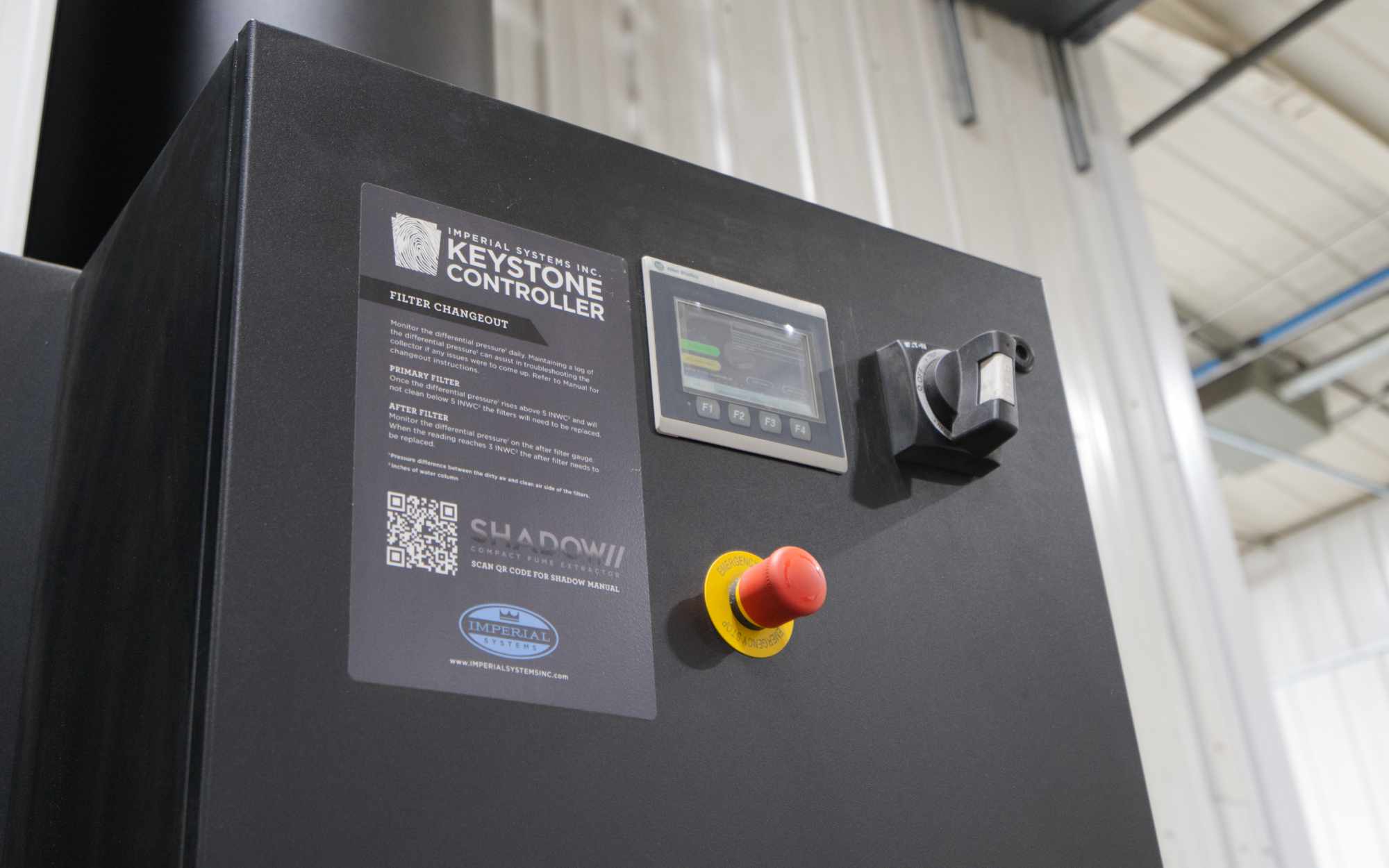
Integrated spark arrestors are a critical safety feature in portable weld fume collectors. They intercept hot sparks and molten metal particles before they can reach the filter media – preventing fires, protecting equipment, and keeping workers safe.
Why sparks are a serious hazard in welding environments
Welding generates more than just harmful fumes — it also produces hot sparks and molten metal spatter that travel through the air at high velocity. When a portable dust collector is used for weld fume extraction, these particles are pulled directly into the unit’s airstream. Without a means of stopping them, sparks can reach the internal filter media, which is typically made from synthetic or cellulose-based materials that can be highly flammable.
A single unimpeded spark reaching a loaded filter can ignite a fire inside the collector — one that may go undetected until it has grown significantly. In confined industrial spaces, this poses an immediate risk to personnel and surrounding equipment.
 What is an integrated spark arrestor?
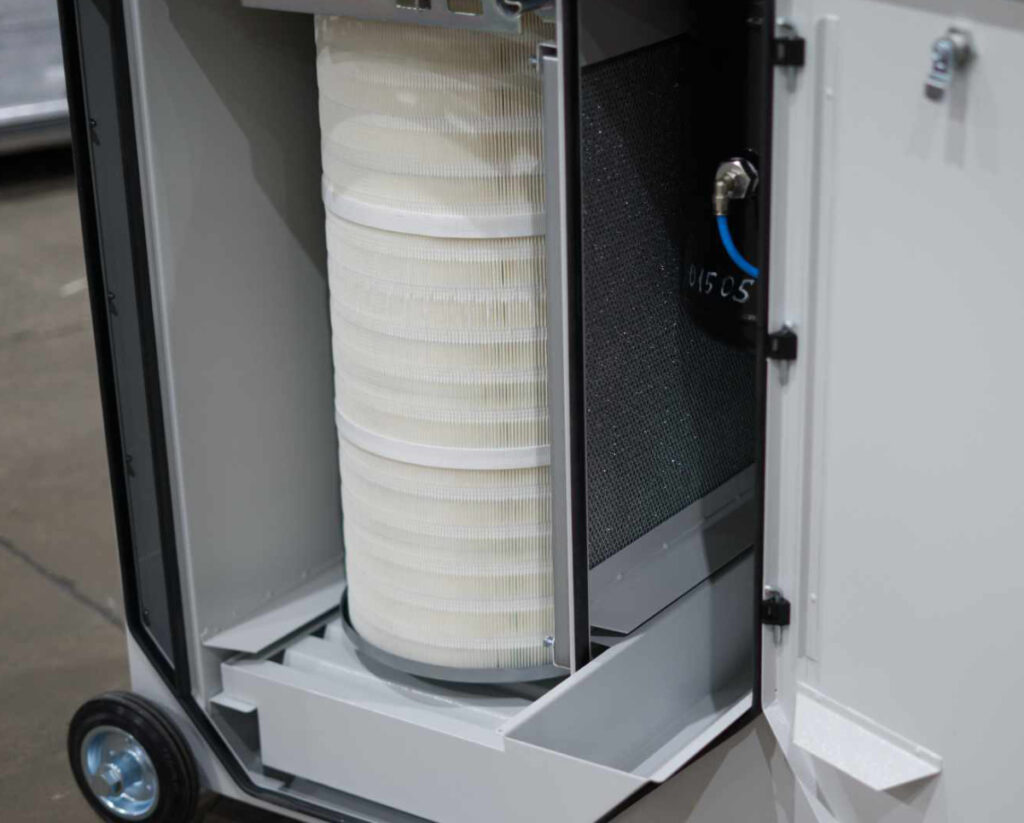
An integrated spark arrestor — also called a spark trap — is a device built directly into the inlet of a portable fume collector. Rather than being an external add-on, it is engineered as part of the unit’s airflow path. As contaminated air enters the unit, the spark arrestor creates turbulence, causing heavier particles (including sparks and metallic debris) to lose momentum and fall into a collection tray below. The airstream — now free of most combustible particles — continues on to the filter media.
In fixed, ducted dust collection systems, spark arrestors are commonly installed as a separate inline device within the ductwork — positioned between the pickup point and the collector to intercept sparks before they travel through the system. Portable weld fume collectors, however, have no duct line. The unit connects directly to the source capture hood or arm, which means there is no intermediate section of duct in which to install a standalone arrestor. For a portable collector, integration into the unit itself is not just a convenience — it is the only viable way to provide spark protection.
Key ways integrated spark traps improve safety
1. Filter fire prevention
By capturing sparks before they reach the filter, integrated spark traps eliminate the most common ignition source inside portable collectors. This dramatically reduces the risk of internal filter fires, which are difficult to detect and suppress quickly.
2. Extended filter service life
Hot particles don’t just ignite filters — they also degrade filter media over time through thermal damage. Removing sparks from the airstream before they contact the filter preserves media integrity, reduces replacement frequency, and lowers operating costs.
3. Protection against secondary combustion
In environments where combustible dust accumulates alongside weld fumes — such as metal grinding operations — a spark reaching a dust-laden filter could trigger not just a fire, but also an explosion. An integrated spark trap addresses this multi-hazard risk at the source.
4. Compliance with safety standards
NFPA 484 (for combustible metals) and OSHA’s general duty clause both require employers to control fire and explosion hazards. Using a portable collector with an integrated spark arrestor is a straightforward step toward meeting these obligations in welding and metalworking environments.
Why “integrated” matters — not just any spark trap
An integrated spark arrestor is engineered into the collector itself — it cannot be accidentally omitted, and it’s designed to work in coordination with the unit’s airflow dynamics for maximum efficiency.
For portable units that move between workstations or job sites, this built-in reliability is especially important. A collector that travels from one work station to another needs consistent, dependable spark protection regardless of how it’s set up on any given day.
Choosing a portable fume collector with spark protection
When evaluating portable weld fume collectors, confirm that spark arrestor functionality is built into the unit’s inlet design — not offered as an optional accessory. Look for units that include a dedicated spark collection chamber that can be emptied safely, and verify that the arrestor is rated for the types of welding processes used in your facility (MIG, TIG, stick, plasma cutting, and grinding all produce varying levels of spatter and heat).
Integrated spark protection isn’t a premium feature — it’s a baseline safety requirement for any portable dust collector used in a welding environment. Specifying it from the start is far less costly than managing a filter fire or explaining an incident to a safety inspector.