Black Mass Dust Control
Controlling Combustible and Toxic Dust in Lithium-Ion Battery Recycling
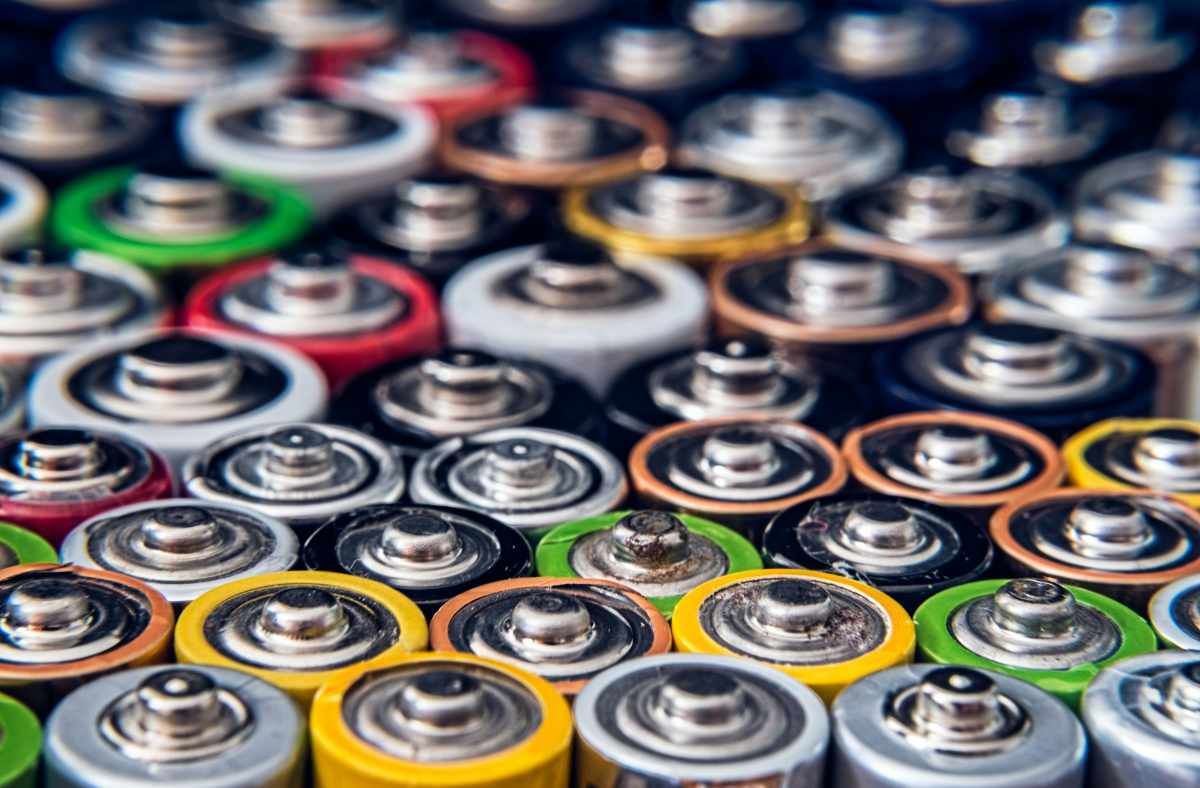
Protect Your Facility from Hazardous Black Mass Dust
Black mass from lithium-ion battery recycling is combustible, toxic, and conductive, posing serious risks to workers, equipment, and processes. Imperial Systems designs and manufactures fully turnkey dust collection systems specifically for battery shredding, material separation, and black mass refining operations.
Whether you manage an EV battery recycling line, hydrometallurgical plant, or black mass refining system, our solutions help you meet NFPA, OSHA, and EPA compliance while keeping your people and equipment safe.
What is black mass?
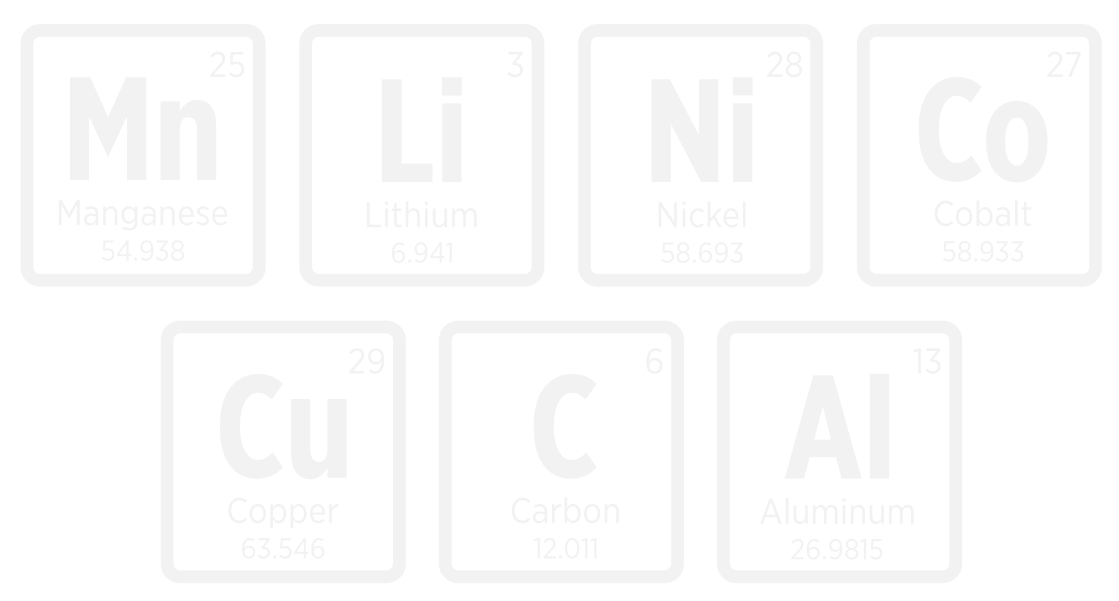
Black Mass is the fine powder generated when lithium-ion batteries are shredded or processed for recycling. It typically contains lithium, nickel, cobalt, manganese, graphite, copper fines, aluminum fines, organic binders, and electrolyte residues. This ultra-fine mixture presents serious respiratory hazards, combustible metal dust risks, and equipment contamination challenges.

Why is black mass dust hazardous?
It is both combustible and explosive.
- Classified as a combustible metal dust (NFPA 484)
- Low ignition energy and high Kst values
- Can ignite in shredders, ductwork, dust collectors, or other process equipment
It exposes staff to toxic heavy metals.
- Contains cobalt, nickel, manganese, lithium compounds, and solvent residues
- Causes respiratory irritation, long-term health risks, and dermal sensitivity
- Must meet OSHA regulatory exposure limits
It is a conductive dust that can damage equipment.
- Graphite and metal fines can infiltrate electrical equipment
- Leads to motor failure, sensor malfunction, short circuits, and process downtime
It requires compliance with various governing bodies.
Battery recycling facilities must comply with:
- NFPA 484 – Combustible Metals
- NFPA 652/68/69 – Dust Hazard Analysis & explosion venting
- OSHA – Metal dust exposure limits
- EPA – RCRA waste handling rules
Dust Collection Solutions for Black Mass Dust

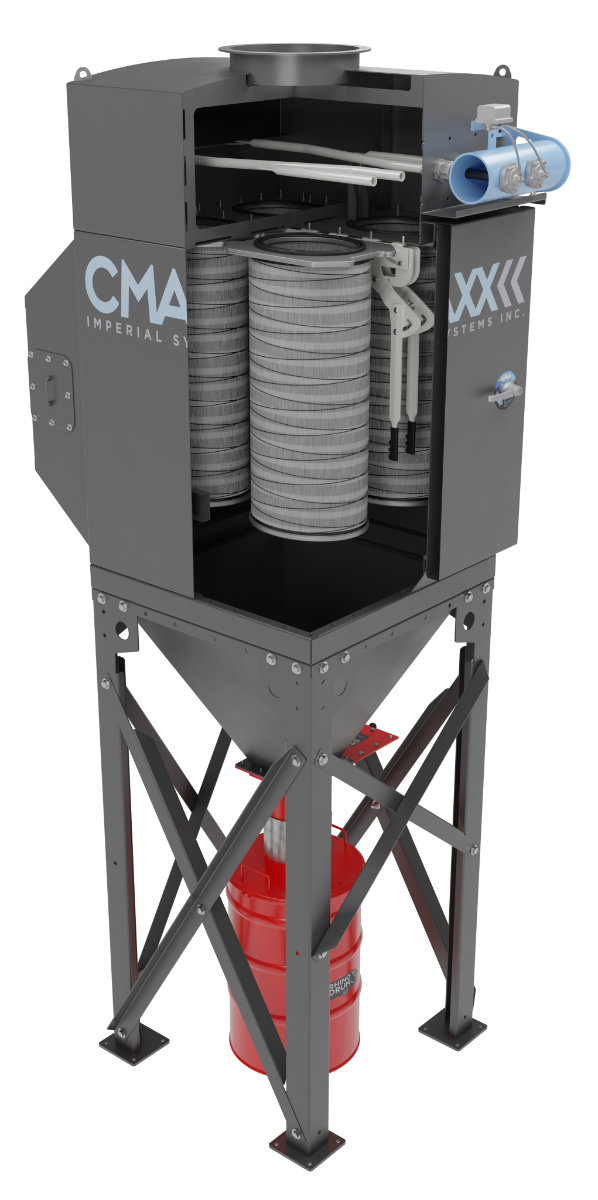
CMAXX Dust & Fume Collector
- Vertical cartridge design reduces dust buildup
- Heavy duty 7 & 10 gauge steel construction
- Designed for conductive and abrasive particulate
- Available with flameless explosion vents, chemical suppression, spark detection, and isolation valves
DeltaMAXX Prime Filters
- Nanofiber media captures ultra-fine black mass particulate
- Long filter life under abrasive conditions
- Reduced differential pressure for energy savings
- Available for high-temperature or corrosive applications
Explosion Protection Options
Because black mass is a highly volatile substance, it is critical to ensure a dust collector is properly equipped. System designed with safety devices integrated ensure safety, compliance, and reliability.
Flameless deflagration vents
Explosion isolation valves
Spark extinguishment
Chemical suppression
Spark detection
High-speed abort gates
Dust Control System Design Considerations

Airflow & Capture
Shredders, hammer mills, screens, conveyors, and bag openers require aggressive capture points and negative-pressure containment.

Dust Characteristics
Black mass dust is conductive, abrasive, chemically aggressive, and <10 microns in size.
Thermal Runaway & Off-Gas Handling
Systems can include temperature monitoring, HEPA final filtration, activated carbon for VOCs, and oxygen reduction or inerting where needed.
Additional Battery Recycling Applications We Support
Lithium-ion battery shredding
EV battery recycling lines
Mechanical size reduction
Material classification and separation
Black mass refining and drying
Hydrometallurgical and pyrometallurgical processing
Cathode/anode material recovery
Metal fine and graphite collection
Why choose Imperial Systems?
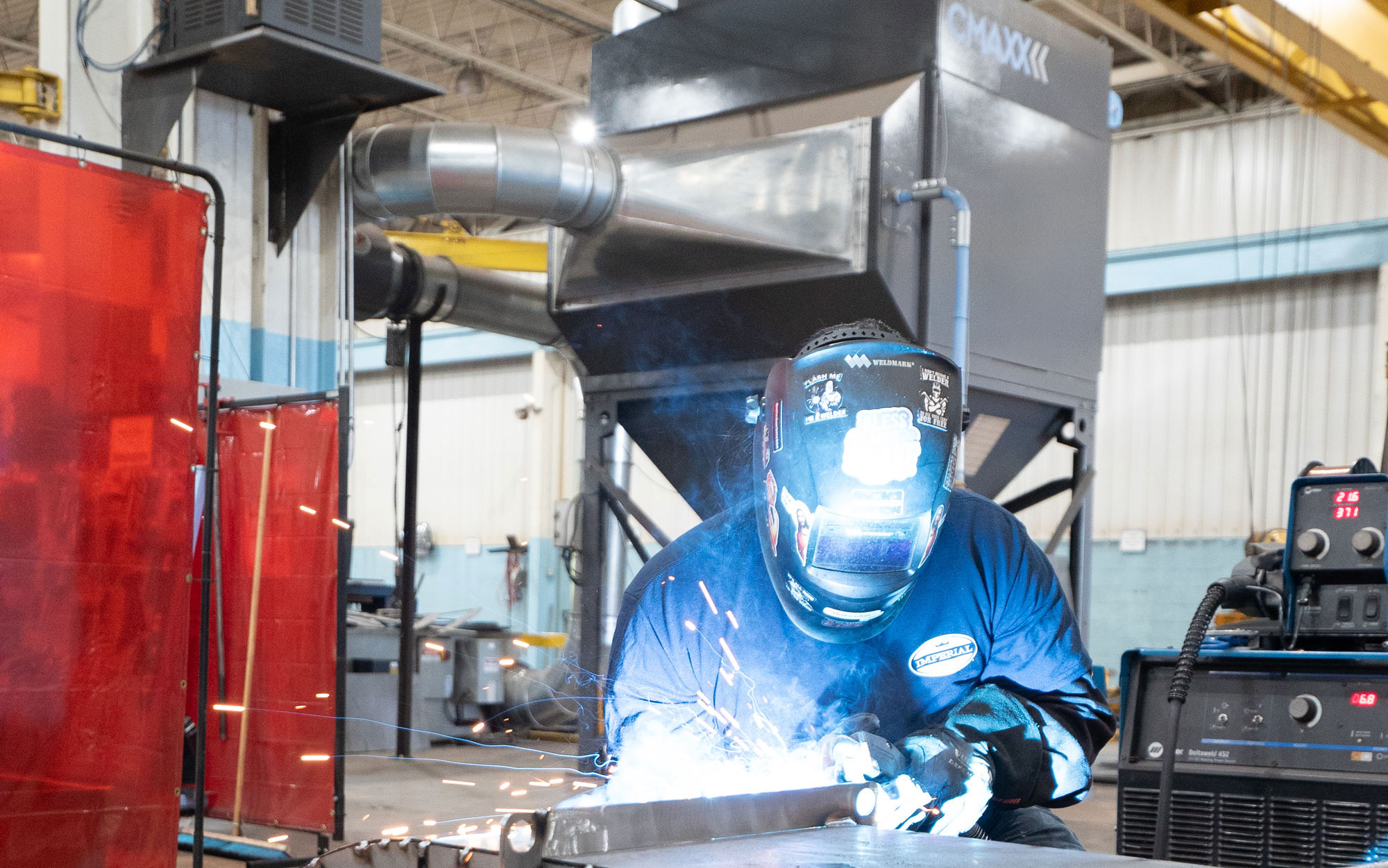
- Made in the USA: Every dust collector, filter, and duct system is built with 7 and 10 gauge domestically sourced steel.
- Combustible Metal Dust Expertise: Extensive experience with aluminum, magnesium, titanium, and other combustible metals.
- Turnkey Engineering: Complete solutions including dust collectors, ductwork, explosion protection, hooding, installation, and testing.
- NFPA Compliance Partnership: Assistance with Dust Hazard Analyses (DHA) and regulatory requirements.
Frequently Asked Questions
Is black mass dust combustible?
Yes. It is commonly classified as a combustible metal dust under NFPA 484.
What makes black mass dust dangerous?
Its fine particle size, metal content, conductivity, and chemical reactivity make it hazardous.
What dust collector is best for black mass?
The CMAXX with DeltaMAXX Prime filters and explosion mitigation is a great candidate for black mass dust control.
Do battery recycling facilities need a Dust Hazard Analysis (DHA)?
Yes. NFPA 652 requires a DHA for all facilities handling combustible dust.