A dust collection system is one of the most important pieces of equipment in any manufacturing facility. When something goes wrong, production slows down, air quality suffers, and operating costs begin to climb. The good news is that most common dust collector issues can be identified early with a few simple checks. If you’re working to troubleshoot a dust collector that isn’t performing the way it should, here are the key areas to inspect and what each issue might tell you.
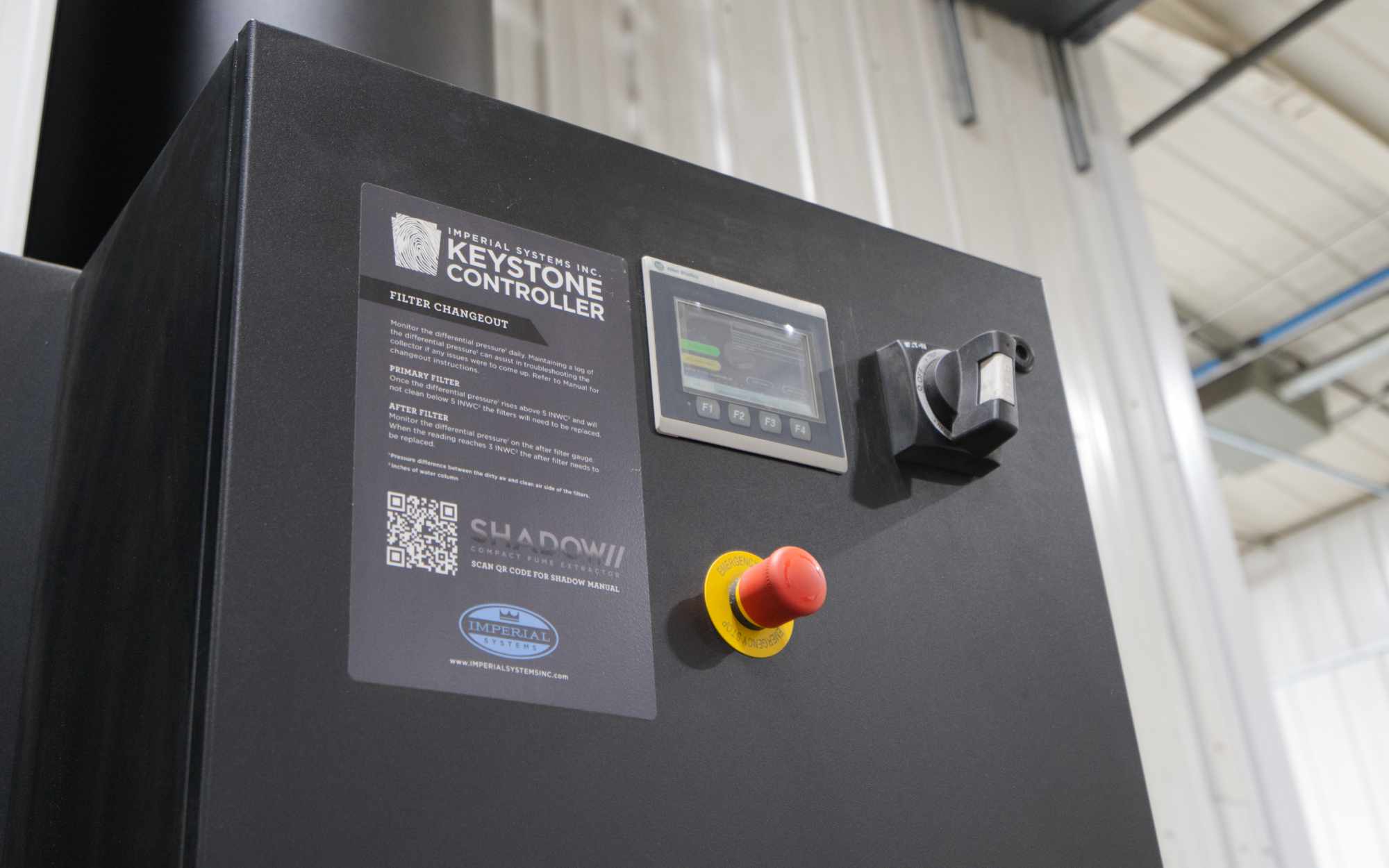
1. Check Your Differential Pressure
Differential pressure (DP) is usually the first indicator of a problem. A higher than normal DP often means your filters are loaded, damaged, or not cleaning effectively.
Possible causes:
- Filters are nearing the end of their life
- Pulse cleaning system is not functioning
- Compressed air supply is too low or contaminated
- Incorrect filter media for the application
- Moisture or oil present in the compressed air line
- Water intrusion from leaks allowing rain or runoff into the dirty-air ducting
If your DP is unusually low, this could indicate torn filters, missing filters, or leaks in the system.
2. Inspect the Filters
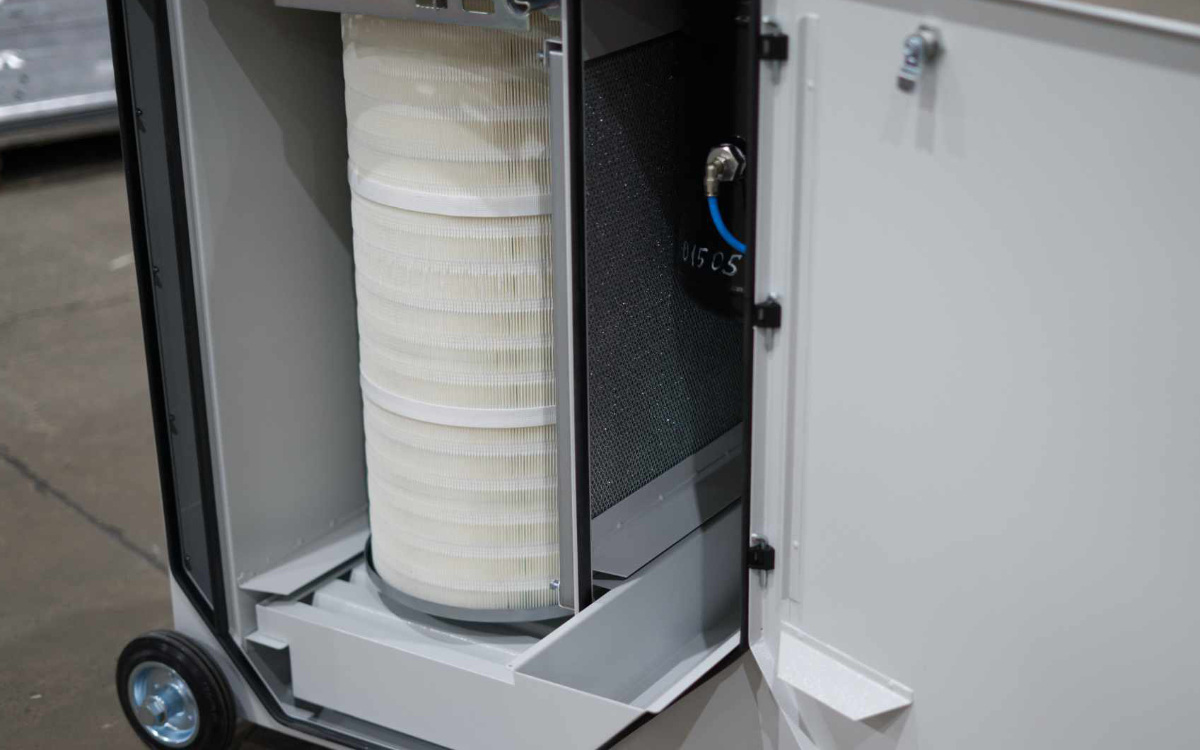
Filters are the heart of your dust collector. When they fail, your entire system suffers.
Look for:
- Holes, tears, or abrasions
- Excessive dust cake or plugged pleats
- Signs of moisture or oil contamination
- Improper seating or faulty gaskets
If you notice dust coming from the collector or uneven filter wear, it may be a sign of an internal filter leak or improper filter installation.
3. Verify Pulse Cleaning Operation
If the filters are not cleaning correctly, they will quickly clog.
Check the following:
- Are solenoid valves firing consistently?
- Is the diaphragm in good condition?
- Is the compressed air dry, oil-free, and set to the correct PSI?
- Are pulse nozzles aligned with the filter openings?
Any interruptions in cleaning will cause your DP to climb and your airflow to drop.
4. Examine the Airflow
Poor airflow is one of the most common issues in dust collection.
Look for:
- Blocked or damaged ductwork
- Build-up in elbows, hoods, or spark traps
- Closed or misadjusted blast gates or cutoffs
- Incorrect fan rotation direction
- Worn or damaged fan wheels
- Kinked flex hose
A simple inspection can often reveal restrictions that are easy to correct.
5. Look for Leaks
Air leaks reduce performance and create housekeeping issues. They also force your system to work harder than it needs to.
Common leak points:
- Doors and access panels
- Filter gaskets
- Hopper seals
- Drum or airlock connections
- Worn flex hose
- Pipe joints
- Inlet seals
You may see dust around these areas or feel air movement during operation.
6. Check the Hopper and Discharge System
Dust should never pile up in the hopper. If you see buildup, it means something is wrong.
Possible causes:
- Airlock not rotating
- Drum overfilled
- Incorrect drum lid seal
- Bridging due to material type
- Blocked discharge
- Water leaks
Hopper backups can quickly lead to plugged filters and unsafe operating conditions.
7. Review Your Maintenance Log
If your team tracks maintenance, look back over the last few months. Patterns often reveal the root cause of an issue.
Examples:
- Repeated filter changes in a short time
- Frequent solenoid or diaphragm failures
- Moisture problems due to compressor issues
- Recurring hopper backups
- Changes to process where dust is generated
These insights help narrow down what is actually happening inside the collector.
When In Doubt, Bring in a Certified Expert
Troubleshooting a dust collector can be straightforward, but many issues require trained eyes and the right tools. That is exactly why Imperial Systems created ServiceMAXX, our comprehensive inspection and maintenance program. Our experts are OSHA trained and confined space certified. They perform full system evaluations, identify potential problems before downtime occurs, and help extend the life of your dust collector. Whether you’re trying to troubleshoot a dust collector or prevent future issues, ServiceMAXX gives you the confidence that your equipment is running safely and efficiently. If you want to reduce unexpected repairs and get the most out of your system, ServiceMAXX is the best way to stay ahead of issues.
Learn more about ServiceMAXX and schedule a visit today.