Mining Dust Collection
Mining operations generate a significant amount of dust that can pose serious health and safety risks to workers, as well as environmental concerns. Hazardous dusts, such as silica, coal, asbestos, lead, and mercury, can cause respiratory problems and other health issues. Therefore, it is crucial for mining companies to implement effective dust collection systems to control and minimize dust emissions.
DIFFERENT TYPES OF MINING
The goal of any type of mining is to extract minerals or any other valuable geological material from the earth. There are many different ways to mine.
- Surface mining typically involves removing overlying soil and rock layers to uncover the valuable material. There are a few different types of surface mining, including open-pit mining, strip mining, and mountaintop removal mining.
- Underground mining is a technique that uses the construction of a network of tunnels to access and extract the minerals.
- Placer mining uses water and gravity separation techniques, and is typically used near bodies of water.

Is the need for mining increasing?
The need for mining is increasing as demand for minerals and resources continues to grow with the expanding global population and increasing industrialization. Mining is crucial for the production of various goods and materials, including construction materials, metals, electronics, and energy sources such as coal, oil, and natural gas. However, it is important for mining operations to prioritize environmental and worker safety considerations, including proper dust collection and mitigation measures, to minimize negative impacts on surrounding communities and ecosystems.
What makes dust from mining dangerous?
Mining operations can generate a variety of hazardous dusts that must be collected to ensure worker safety and prevent environmental pollution. Some of the most common types of hazardous dusts generated in mining include:
- Silica dust: Silica dust is a fine particulate matter that can be released during activities such as drilling, blasting, and crushing rocks and minerals. Exposure to silica dust can cause lung cancer, silicosis, and other respiratory diseases.
- Coal dust: Coal dust is generated during mining, transportation, and processing of coal. It can cause lung diseases such as black lung disease, emphysema, and chronic bronchitis.
- Asbestos: Asbestos is a fibrous mineral that was commonly used in construction materials before its health hazards were discovered. Exposure to asbestos can cause lung cancer, mesothelioma, and other respiratory diseases.
- Lead: Lead is a toxic metal that can be released during mining and processing of certain ores. Exposure to lead can cause neurological damage, anemia, and other health problems.
- Mercury: Mercury is a toxic metal that can be released during mining and processing of gold and other metals. Exposure to mercury can cause neurological damage, kidney damage, and other health problems.
Are dusts from mining combustible?
Dusts generated from mining may also be combustible, depending on the type of dust and the conditions under which it is generated and handled.
Some types of dust generated from mining, such as coal dust, can be highly combustible and pose a significant fire and explosion hazard if not properly controlled and managed. Other types of dusts, such as metal dusts, can also be combustible under certain conditions.
To prevent fires and explosions caused by combustible dusts, mining operations must implement effective dust control measures, including proper ventilation, dust suppression, and the use of explosion-proof equipment in areas where combustible dusts may be present. Mining companies must also follow relevant safety regulations and standards to minimize the risks associated with combustible dusts.
Cyclone
If your mining application produces larger chunks of debris as well as finer dust, a cyclone might be helpful. The purpose of a cyclone is essentially to sort the larger material before it enters the cartridge or baghouse unit. A cyclone will drop out the heavier material and allow the finer dust to continue on to the dust collector.
Chemical Isolation System
A rapid discharge of a chemical explosion suppressant prevents the flame from continuing to other ares of your dust collection system. This is best used when explosion venting is not an option.
Spark Trap
A Spark Trap creates a tortuous path that slows sparks and embers down and causes them to loose heat. This prevents sparks from entering the dust collector and creating a fire. Spark Traps are recommended by NFPA as part of a complete fire prevention system.
Rhino Drum
The Rhino Drum Explosion Tested Drum Kit is a cost efficient alternative to a rotary airlock, and can withstand an explosion up to 7 psi. With a tool free design and no moving parts, the Rhino Drum can be quickly emptied for easier maintenance.
Abort Gate
An Abort Gate is typically situated on the return air side of the dust collector and diverts clean air, sparks, and fumes. An Abort Gate can also be trigged by a spark detector or broken bag detector, preventing harmful material like fire and smoke from entering the building.
Explosion Venting
Explosion venting allows a flame front and pressure wave to escape from within a collector and dissipate into the atmosphere. Explosion vents include a burst indicator that alert in the event of a deflagration.
Explosion Isolation Valve
This system is installed on the ductwork and detects any sparks that are present in the duct. Once detected, sparks are extinguished downstream before they can continue on and cause further damage to equipment or reenter the facility.
Airlock
Our Airlocks maintain a consistent seal at the outlet of the dust collector while allowing material to continuously pass through. This seal also allows discarded material to be properly discharged, and prevents it from returning to the dust collector.
Hoods
Dust collection hoods are commonly used in mining applications to capture and contain dust at the source, such as during drilling, blasting, or crushing operations. These hoods can be designed to fit over equipment or work areas, and can be connected to a dust collection system to remove dust particles before they become airborne.
Don’t miss this episode of the Dusty Jobs Podcast!
In this episode, Tomm Frungillo, our director of sales and marketing discusses his experience designed dust collection solutions for the mining industry. He talks about the operation of open pit mines, and how they handle hazardous dusts. Watch on YouTube or find us on your favorite podcast app.
Mining Dust Collection Frequently Asked Questions
What is mining dust collection?
Mining dust collection is the process of capturing and filtering the hazardous particulate produced during drilling, blasting, crushing, transporting, and processing of minerals and ore. A dust collection system pulls contaminated air through ductwork and filters, protecting the environment and workers from respiratory hazards and reducing fire and explosion risk at mining and mineral processing facilities.
Why is dust collection for mining and mineral processing so important?
Mining operations generate massive volumes of fine particulate that can cause silicosis, lung cancer, black lung disease, and other serious illnesses. Dust collection for mining and mineral processing also helps prevent combustible dust incidents, keeps facilities compliant with MSHA and OSHA standards, and reduces environmental contamination of surrounding communities and ecosystems.
What are the most hazardous dusts in mining?
The most hazardous mining dusts include silica, coal, asbestos, lead, and mercury. Silica dust from drilling and crushing causes silicosis and lung cancer, coal dust causes black lung disease and chronic bronchitis, asbestos causes mesothelioma, and lead and mercury cause neurological and organ damage. Each requires specific engineering controls to keep worker exposure below legal limits.
Is mining dust combustible?
Often, yes. Coal dust is highly combustible and is a well-documented cause of fires and explosions in mining operations. Certain metal dusts can also be combustible under the right conditions. Any facility handling these materials needs proper ventilation, explosion proof equipment, and fire and explosion protection on dust collectors to comply with NFPA standards.
Does MSHA require dust collection at mining facilities?
Yes. The Mine Safety and Health Administration enforces strict exposure limits for respirable dust and requires mining operations to use engineering controls like dust collection to stay compliant. MSHA conducts regular air sampling, and operators that exceed limits face fines, forced shutdowns, and required corrective action. Dust collection is considered a primary engineering control, not optional.
What is the new MSHA silica rule?
In 2024, MSHA finalized a rule lowering the Permissible Exposure Limit for respirable crystalline silica to 50 micrograms per cubic meter of air over an 8 hour shift, with an action level of 25 micrograms. This is half the previous limit and among the most stringent dust rules the industry has faced. Mining operators are expected to review dust collector sizing, enclosures at crushers and conveyors, and overall engineering controls to meet the new standard.
What CFM do I need for a mining dust collection system?
CFM requirements depend on the number and type of pickup points, the size of equipment, and the specific process. A single crusher may need thousands of CFM, while a full processing plant with conveyors, screens, and transfer points can require tens of thousands. Proper sizing accounts for pickup velocity, duct design, and static pressure, so a professional facility assessment is essential.
Baghouse or cartridge dust collector: which is better for mining?
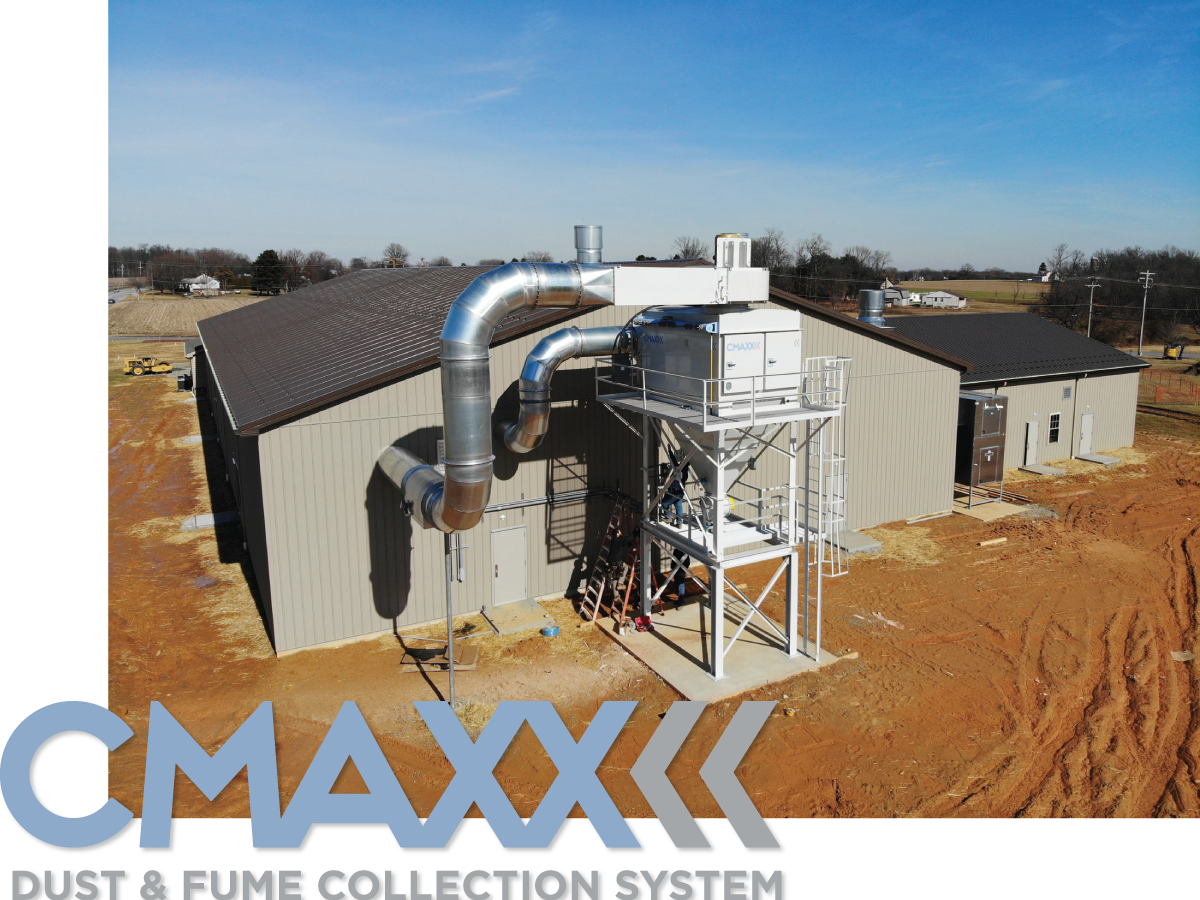
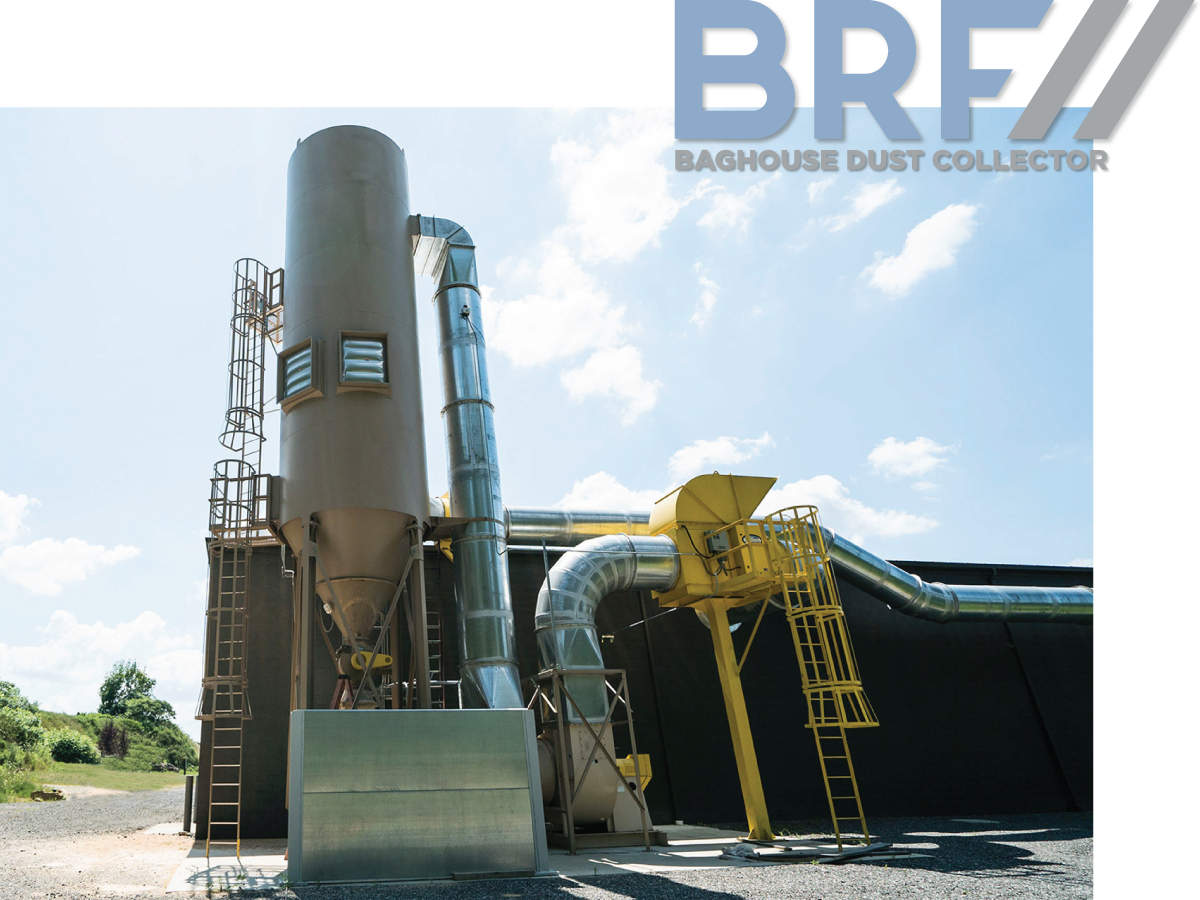
Both have a place in mining, but the right choice depends on your dust load, particle size, and process. Baghouses have long been the standard for heavy volume, coarse dust applications and are offered by Imperial Systems in the BRF Baghouse line. However, cartridge collectors like the CMAXX are increasingly used in mining and mineral processing because they deliver higher efficiency filtration, easier maintenance, and a smaller footprint. Many operations use a cyclone pre-separator ahead of either collector type.
What kind of dust collector works best for mining?
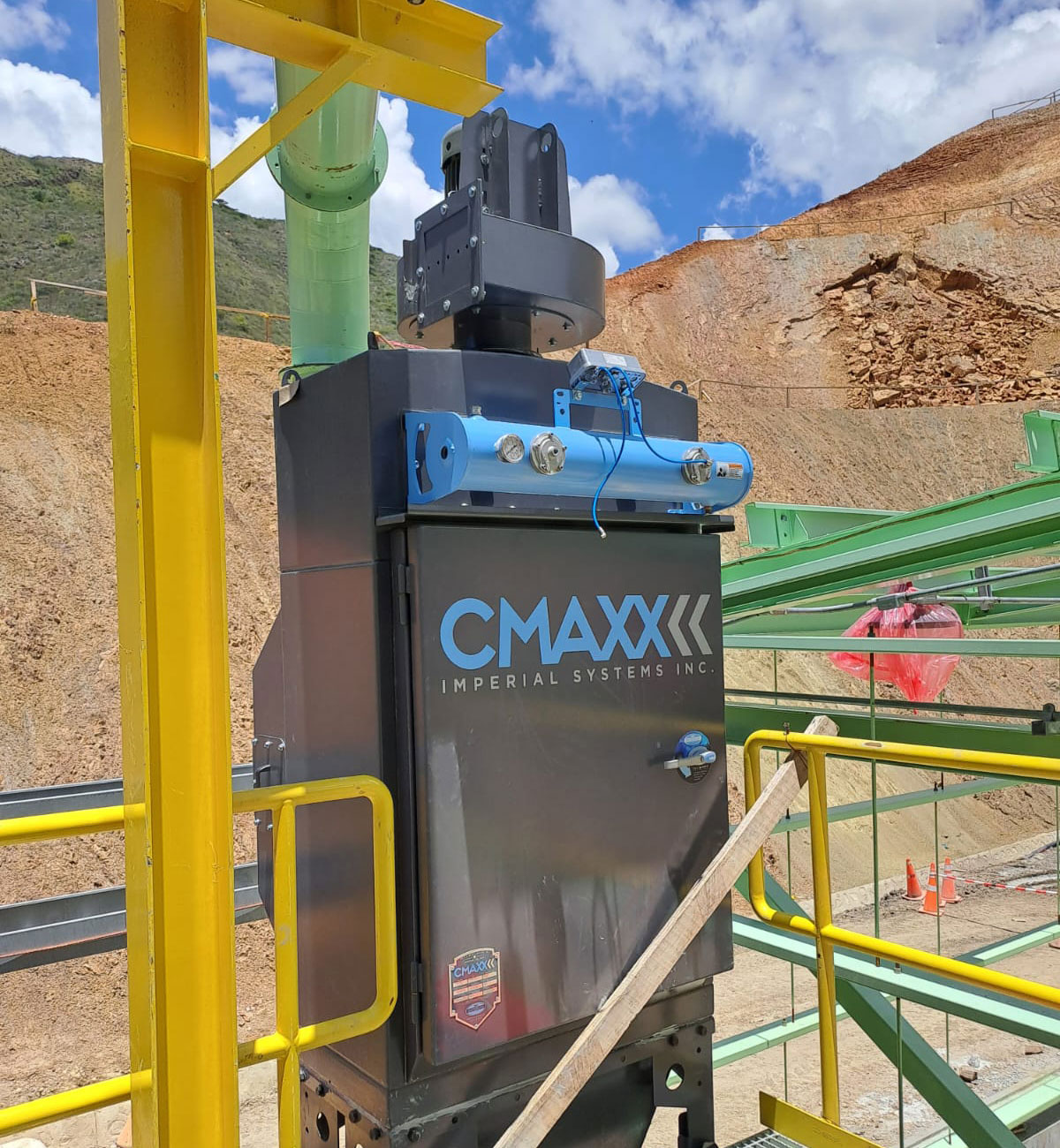
Cartridge dust collectors like the Imperial Systems CMAXX are widely used in mining and mineral processing because they deliver high efficiency filtration in a smaller footprint than traditional baghouses. The CMAXX uses MERV 15 rated DeltaMAXX Prime filters, vertical cartridge arrangement, and heavy duty construction that holds up in harsh mining environments. Baghouses still have a role in certain heavy volume applications.
What fire and explosion protection do I need on a mining dust collector?
NFPA standards typically require a combination of protection devices for combustible mining dust. Imperial Systems offers a complete lineup including the Spark Trap for passive spark protection, Abort Gates to divert sparks away from the facility, explosion venting to release pressure safely, explosion isolation valves to prevent propagation, and chemical isolation systems for high risk applications where an explosion vent may not be ideal. NFPA compliant airlocks and the Rhino Drum are also options for protecting dust discharge points.
What is silica dust and why is it so dangerous?
Silica dust is fine crystalline particulate released during drilling, blasting, crushing, and cutting of rock, sand, and certain ores. When inhaled, silica particles lodge in the lungs and cause silicosis, an irreversible and sometimes fatal lung disease, as well as lung cancer and increased risk of tuberculosis. Because silica is present in so many mining operations, OSHA and MSHA enforce strict exposure limits that require high efficiency dust collection.
What is a cyclone and do I need one at a mining facility?
A cyclone is a separator that uses centrifugal force to drop out heavier particulate often used before the air reaches the main dust collector. They’re especially useful in mining and mineral processing because raw ore and crushed material produce a mix of coarse and fine dust. Using a cyclone ahead of a CMAXX or baghouse extends filter life and improves overall efficiency.
How often do mining dust collector filters need to be changed?
Filter life depends heavily on dust type, run time, volume, and whether the collector has pulse jet cleaning technology. In abrasive, high volume mining environments, filters may need changing every 6 to 12 months, while lower volume applications can stretch longer. DeltaMAXX Prime filters in the CMAXX dust collector are engineered for extended life in heavy industrial use. The vertical filter design aids in dust release and extends filter life versus horizontally oriented filters. Monitoring rising differential pressure and maintaining airflow across the filters is the clearest indicator of when a filter change may be due.
How much does a mining dust collection system cost?
Cost varies widely based on the size of the operation, the number of pickup points, ductwork complexity, and required fire and explosion protection. Because every mining and mineral processing facility has unique dust characteristics and safety requirements, Imperial Systems custom designs each system rather than offering off the shelf pricing. A facility assessment and quote is the best way to get an accurate number.
How do I choose the right mining dust collection system?
Start by documenting your process (surface, underground, crushing, screening, material handling), the types of dust produced, production volume, and facility layout. From there, Imperial Systems can recommend the right combination of cyclone, CMAXX or baghouse, ductwork, and fire and explosion protection sized for your CFM needs and compliant with MSHA, OSHA, and NFPA requirements.