Laser Cutting Fume Extraction
Laser cutting is popular for its high cutting speed and precision. Factories use it in a wide variety of applications. A CNC laser cutter vaporizes the cut material or blasts it away with a jet of gas. Because both mechanisms produce smoke and fumes, they require fume extraction.
Laser cutting methods include:
- Fusion cutting (an inert gas melts and then blasts away the material)
- Chemical degradation (use on organic material like wood that burns)
- Evaporation cutting (produces a very clean cut on plastics and acrylics)
- Thermal stress cracking (usually used on glass, which breaks along the heat-created crack)
- Oxidation or reactive cutting (often used to cut metal, since oxygen reacts with the metal to speed up the cutting)
- Oxidation or reactive cutting (oxygen reacts with the metal to speed up the cutting)
All these processes produce smoke and fumes requiring a fume extraction system. However, the exact design of the system will depend on the type of cutting process and the material being cut. Because laser cuts tend to produce fewer fumes than plasma cutting, a laser fume extractor may not need to be as large.
Laser cutting dust may or may not be combustible. If it’s not known whether the material is combustible, send a sample for testing. This will determine the fire safety features needed to meet NFPA and OSHA standards.
Gas State Lasers
These include CO2, nitrogen, and oxygen lasers. These are often used when cutting non-metals. They are less powerful but also much less expensive than solid state lasers.
Solid State Lasers
Solid state lasers use crystals or optical fibers made of special materials such as neodymium-doped yttrium aluminum garnet, or Nd:YAG. These lasers are high-powered but much more expensive to purchase and replace.
Chemical Isolation Systems
A rapid discharge of a chemical explosion suppressant prevents the flame from continuing to other ares of your dust collection system. This is best used when explosion venting is not an option.
Spark Trap
A Spark Trap creates a tortuous path that slows sparks and embers down and causes them to loose heat. This prevents sparks from entering the dust collector and creating a fire. Spark Traps are recommended by NFPA as part of a complete fire prevention system.
Rhino Drum
The Rhino Drum Explosion Tested Drum Kit is a cost efficient alternative to a rotary airlock, and can withstand an explosion up to 7 psi. With a tool free design and no moving parts, the Rhino Drum can be quickly emptied for easier maintenance.
Abort Gate
An Abort Gate is typically situated on the return air side of the dust collector and diverts clean air, sparks, and fumes. An Abort Gate can also be trigged by a spark detector or broken bag detector, preventing harmful material like fire and smoke from entering the building.
Explosion Venting
Explosion venting allows a flame front and pressure wave to escape from within a collector and dissipate into the atmosphere. Explosion vents include a burst indicator that alert in the event of a deflagration.
Explosion Isolation Valve
This system is installed on the ductwork and detects any sparks that are present in the duct. Once detected, sparks are extinguished downstream before they can continue on and cause further damage to equipment or reenter the facility.
Airlock
Our Airlocks maintain a consistent seal at the outlet of the dust collector while allowing material to continuously pass through. This seal also allows discarded material to be properly discharged, and prevents it from returning to the dust collector.

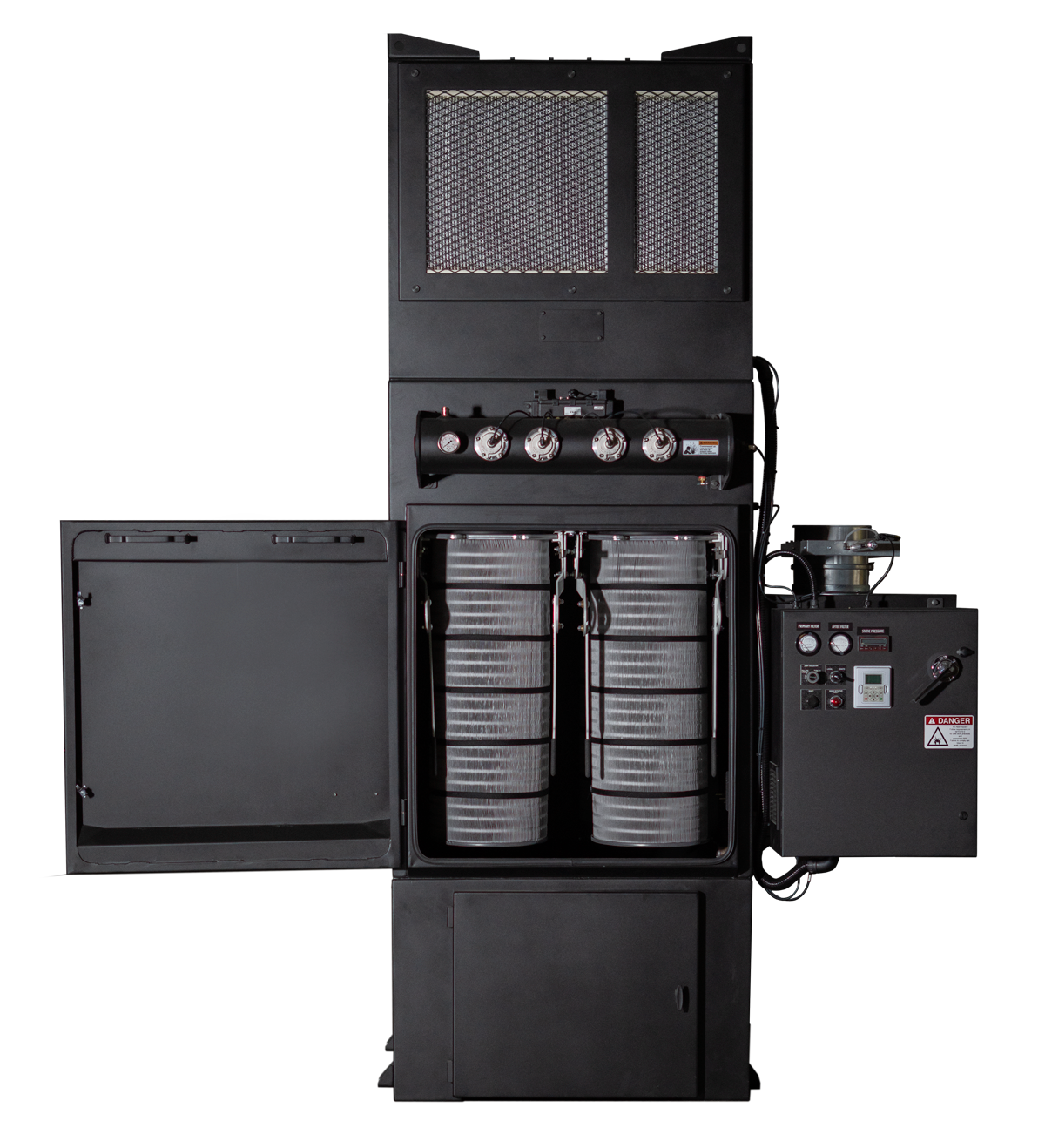
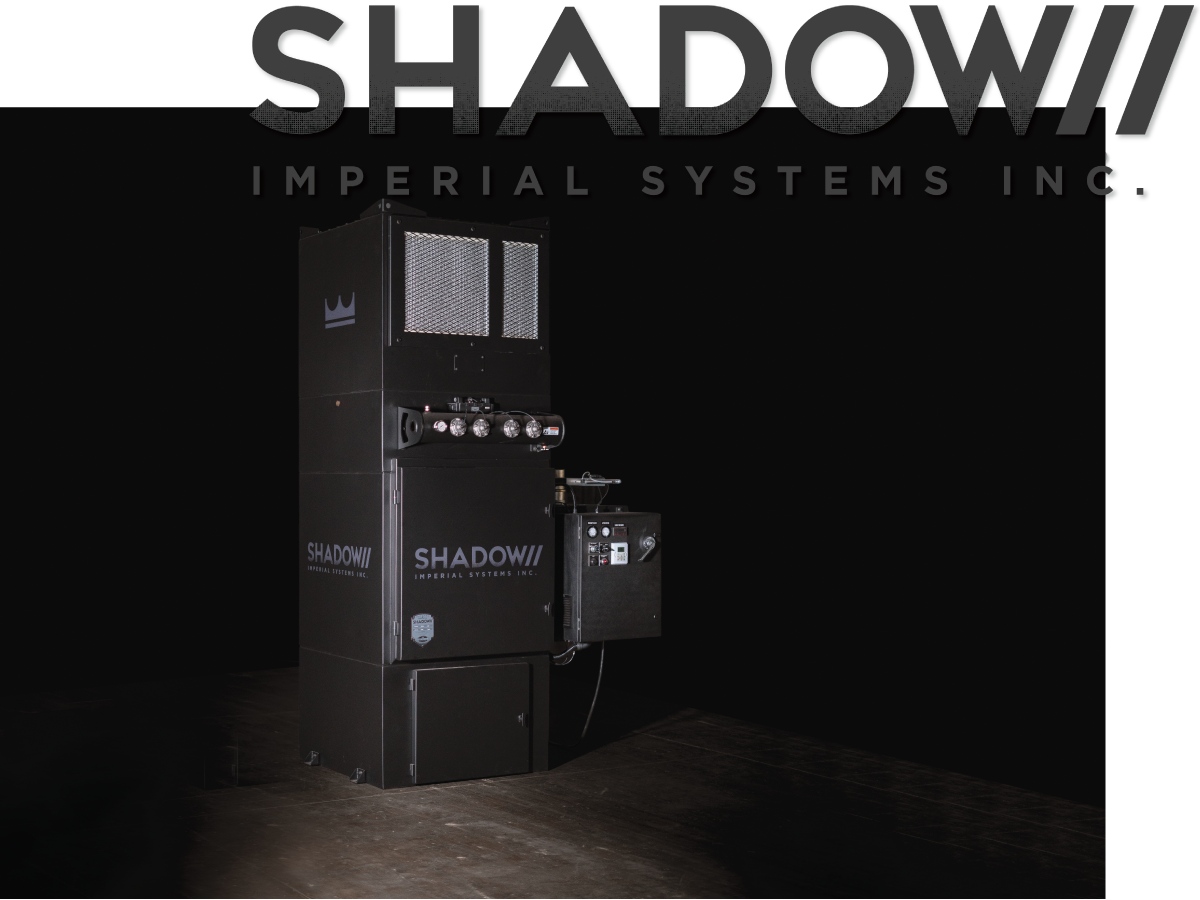
The Shadow Compact Fume Extractor fills the need for a basic fume extractor system. Its patent pending design handles weld fume extraction as well as laser fume extraction. It offers a cost effective option for managing robotic weld cell fumes. This easy to handle system can be moved around your shop. The Shadow offers the same air quality control as a premium dust and fume extractor at the lower price point.
- Fast, easy installation, no assembly required
- Pre-wired control panel – just connect power and compressed air
- Remote start capable
- Multi-directional inlet for flexible placement and installation
Laser Cutting Fume Extraction
Frequently Asked Questions
What is laser cutting fume extraction?
Laser cutting fume extraction is the process of capturing and filtering the smoke, fume, and fine particulate produced when a laser cuts through metal, plastic, wood, or other materials. A fume extractor pulls contaminated air away from the cutting zone, filters out the particulate, and either recirculates clean air or exhausts it outside.
Are laser cutting fumes dangerous?
Yes, but it depends on what you are cutting. Cutting stainless steel produces hexavalent chromium, cutting galvanized steel releases zinc oxide, and cutting plastics or coated materials can release VOCs, hydrogen chloride, and other toxic gases. Inhaling these contaminants can cause respiratory irritation, metal fume fever, and long term health issues including cancer.
How is laser fume extraction different from plasma fume extraction?
Laser cutting typically produces less airborne particulate than plasma cutting because the kerf or width of material removed by the cutting process is narrower, and less material is vaporized. The dust generated can be finer, which requires lower air to cloth in your dust collector, but often you don’t need as much air because most laser cutting systems are enclosed. The filtration efficiency still needs to be high because laser fumes are extremely fine.
What CFM do I need for laser cutting fume extraction?
It depends on the laser type, cutting bed size, and material. Smaller enclosed laser cutters may only need a few hundred CFM, while larger open bed systems can require significantly more. A professional assessment based on your specific machine and materials is the best way to size a system.
Do I need fume extraction for laser engraving and marking?
Yes. Every laser process, including engraving, marking, and cutting, produces respirable dust and VOCs. Engraving and marking may generate less volume than cutting, but the particles are often smaller and can stay airborne longer, making a dedicated fume extractor essential for any laser application. Without extraction, the protective lens can also get covered with dust, which will reduce or block the laser beam from doing its job
Fiber laser vs CO2 laser: what's the difference for fume extraction?
Generally, fiber lasers run at higher speeds and, depending on torch power, cut thicker materials (metals). Because of this, the material collected in a fume collector is greater in volume and finer in particulate size.
Do I need HEPA filters for laser cutting?
For many laser applications, yes. HEPA filters capture 99.97% of particles at 0.3 microns and are often used as a final stage after primary cartridge filters, especially when the air is being recirculated indoors. Cutting stainless steel or other hazardous materials essentially requires HEPA level filtration to meet OSHA exposure limits.
Is laser cutting dust combustible?
It can be. Combustibility depends on the material being cut, and some laser dust, especially from aluminum, magnesium, and organic materials like wood, can be combustible inside a dust collector. If you don’t know whether your material produces combustible dust, conduct a dust hazard analysis or DHA. As part of this analysis, you likely will need to send a dust sample to a lab to determine if and how explosive the dust is.
Do I need a spark trap on my laser fume extractor?
A spark trap is strongly recommended, especially for metal cutting. Laser cutting produces hot sparks that can travel through ductwork and ignite accumulated dust inside a dust collector. The Imperial Systems Spark Trap is a passive device recommended by NFPA, with no moving parts to maintain.
What kind of dust collector works best for laser cutting?
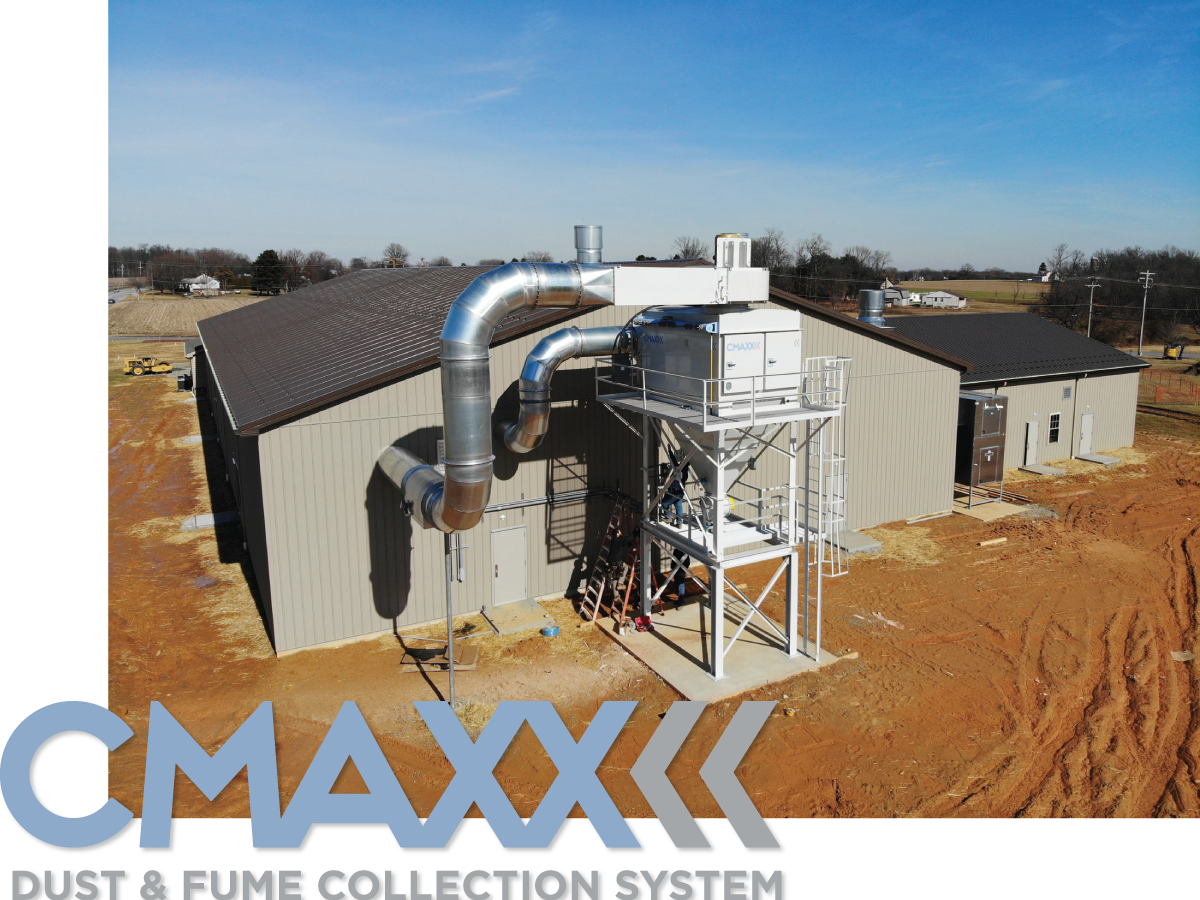
Cartridge dust collectors with high-efficiency nanofiber filters are the standard for laser cutting. MERV 15 rated filters like DeltaMAXX Prime, which are used in the CMAXX and Shadow dust collectors by Imperial Systems, capture the submicron particulate that laser cutting produces. Cartridge-style systems are also compact and energy efficient, making them a good fit for most laser shops.
How often do laser cutting filters need to be changed?
Filter life depends on cutting volume, material type, and whether the collector has self-cleaning pulse jet technology. Quality cartridge filters like DeltaMAXX Prime can last a year or more in light-duty laser operations and 6 to 12 months in heavy production. Differential pressure across the filter is the measurement used to indicate when a change is needed.
Can I vent laser cutting fumes outside through a window?
For very small hobbyist setups or light engraving on natural materials, window venting may be enough. For any commercial or production laser cutting, a dedicated fume extractor is necessary to meet OSHA standards and protect workers. Simple exhaust fans don’t filter contaminants before releasing them, which can also create outdoor air quality issues.
Can laser cutting fumes be recirculated indoors?
Recirculation is allowed when filters remove contaminants below OSHA PELs, and it saves energy by preserving heated or cooled air. However, recirculation is generally not appropriate when cutting stainless steel, plastics, or coated materials that release highly toxic compounds. In some cases, adding a HEPA secondary filter allows recirculation of air back to the facility.
How do I choose the right laser fume extraction system?
Start by documenting your laser type (CO2, fiber), cutting bed size, the materials you cut (metal, plastic, wood, composites), and production volume. From there, a fume extraction specialist can recommend the right combination of dust collector, filter rating, and fire protection sized for your needs and compliant with OSHA and NFPA requirements.